Case Study 2B - Aquatic/terrestrial (amphibians)
Pollutant transfer and effects in the interface between aquatic and terrestrial environments
Institution(s) and Lead Researcher(s)
Institutions: UCLM
Case Study Coordinators: Manuel Ortiz-Santaliestra
Objectives / Hypothesis
Address how environmental pollutants, and their effects, return from water to land, to provide a reference scenario for an aquatic-terrestrial combined risk assessment
Description of the case study
The CS 2B aims to assess the impact of agrochemical runoff from surrounding agricultural lands on amphibian populations and their ecosystem.
This is achieved by modelling pollutant transport to ponds, determining pollutant levels in water and amphibians, evaluating the effects of these pollutants on amphibian health and behaviour, and monitoring changes in amphibian populations and their ecological interactions.
Case Study Goal
Exposure assessment: Estimates of pollutant inputs to ponds
Effect assessment
- Food reduction
- Pollutant mobilization effects
- Trophic transfer of accumulated pollutants
- Late effects of early exposure
Biodiversity monitoring - Characterization of amphibian community, as well as those of prey and predators of amphibians
Species
Sharp-ribbed salamander (Pleurodeles waltl)
Southwestern spadefoot took (Pelobates cultripes)
Iberian water frog (Pelophylax perezi)
Amphibian predators: e.g. dice snake (Natrix tessellata)
Amphibian prey: aquatic: e.g. Daphnia, terrestiral: e.g. ants
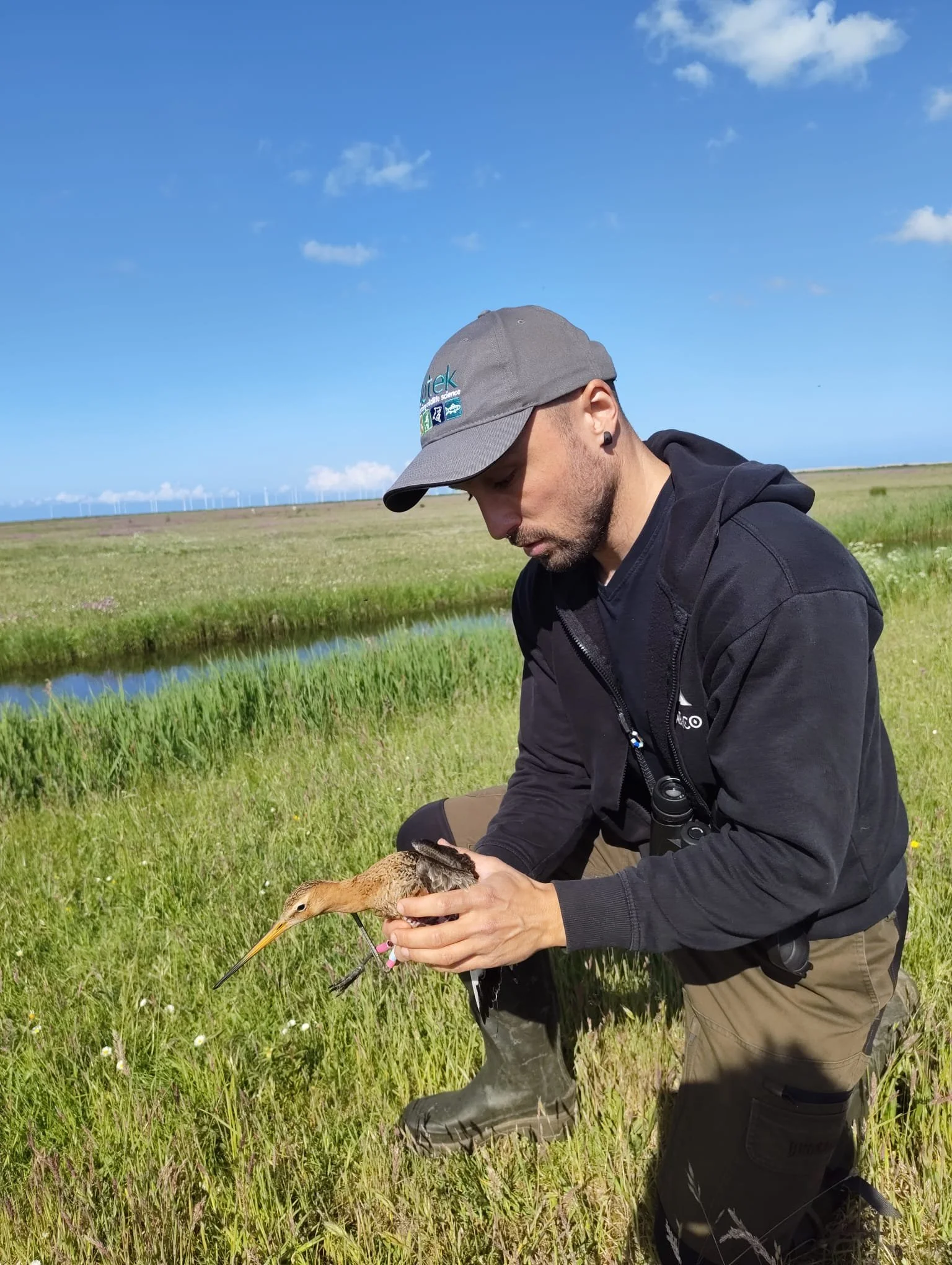
Photos from field work in SYBERAC Case Study 2B


Locations

Description:
Water bodies and their surroundings located in agricultural-dominated landscapes in central Spain.

Learn more about the case study