Case Study 3 - Migratory birds
Food chain exposure to contaminants and related effects across spatial scales in a migratory bird

Institutions: WUR
CS Coordinators: Nico van den Brink, Aafke Saarloos
To assess the environmental quality of different locations along the East-Atlantic Flyway for a long-distance migratory bird (Limosa limosa) by linking soil and dietary exposure to contaminant levels in blood at different stopover sites, and evaluate potential associated sub-lethal effects.
Objectives / Hypothesis
Case study 3 will perform an integrated approach that covers the spatial (flyway) aspects of chemical exposure to migratory birds. This CS involves an assessment of multiple pollutant residues found in the birds' diet (e.g. earthworms and rice), and in their environment (soil), as well as monitoring biodiversity at different stopover sites. The most abundant pollutants at each location will be prioritised for analysis due to sample volume limitations.
Toxicokinetics of contaminants along the East Atlantic Flyway (EAF) in the migratory black tailed godwit (Limosa limosa) will be quantified and potential sub-lethal impacts assessed. Different major staging places along the EAF in Europe, and potentially extended to parts of the EAF in Africa, will be investigated. The obtained novel insights are valuable for the optimization of habitat quality management for a better conservation of migratory birds. In this case study, we will integrate different regulatory silo’s, e.g. risks for birds and mammals, risks for non-target arthropods/the availability of food for migratory birds, pesticide regulations like REACH (since migratory birds may be exposed to chemicals from different regulatory backgrounds) as well as combining different chemicals.
Case study description
Case Study Goal
• Exposure assessment
Multiple pollutant residues in food items and environmental samples (soil, rice)
Body residues in godwits (blood and potentially feathers and preen oil) → only the most abundant pollutants at each site (sample volume limitation)
• Effect assessment - Biomarkers depending on pollutant MoA → focus on behaviour and immune system via oxidative stress
• Biodiversity monitoring - Prey availability (insects, soil arthropods) + prey preference (faecal DNA) at stopover sites
Species

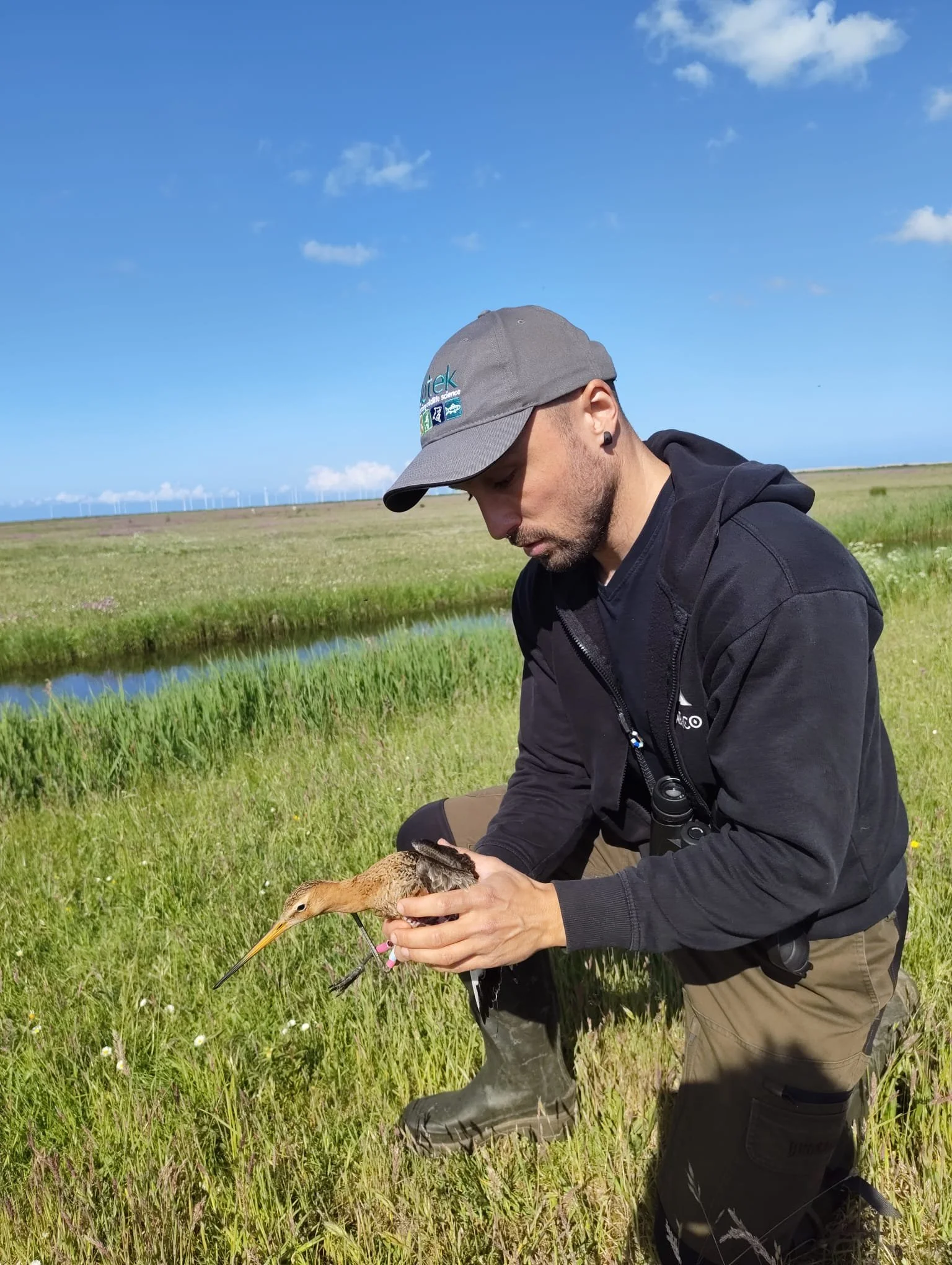
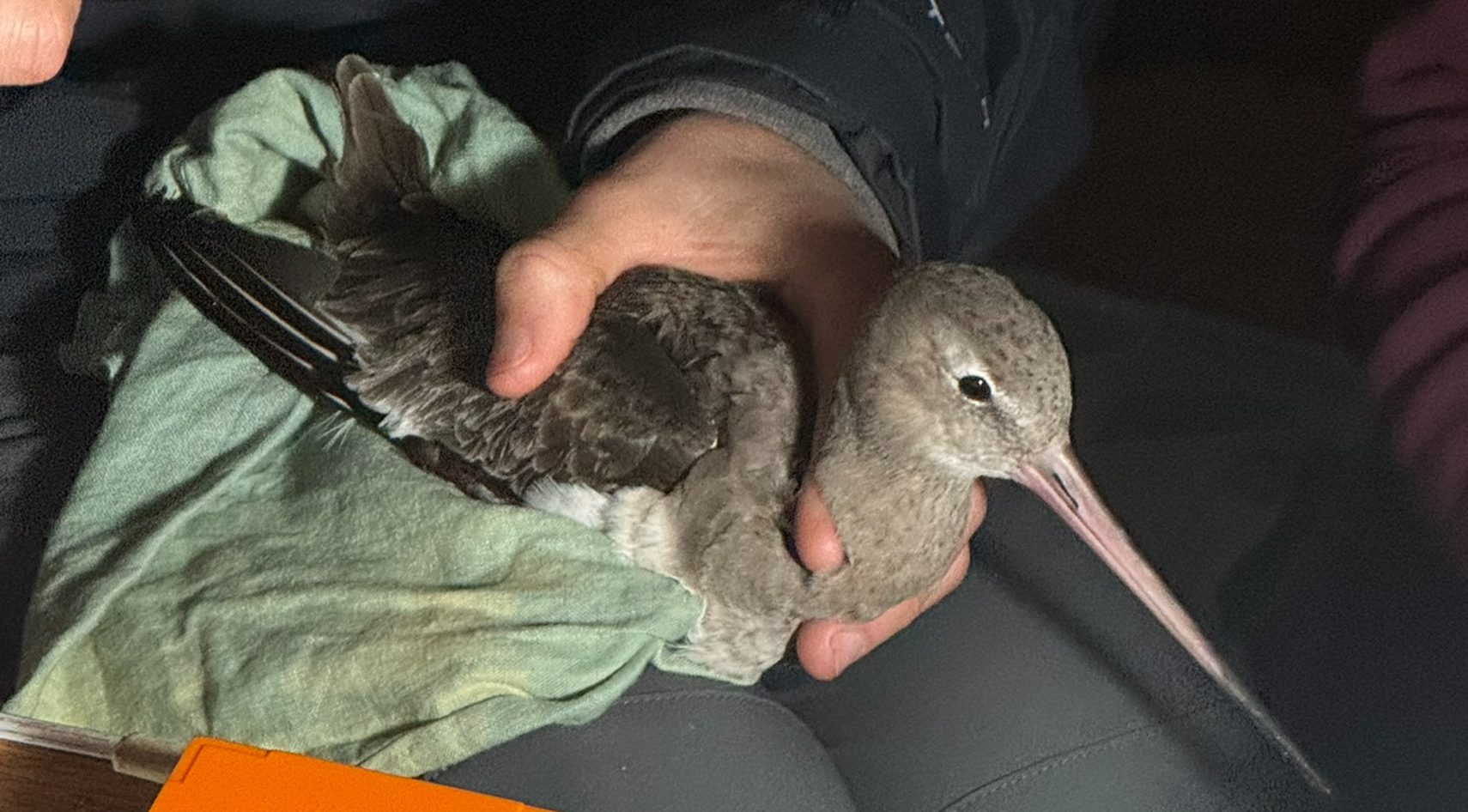
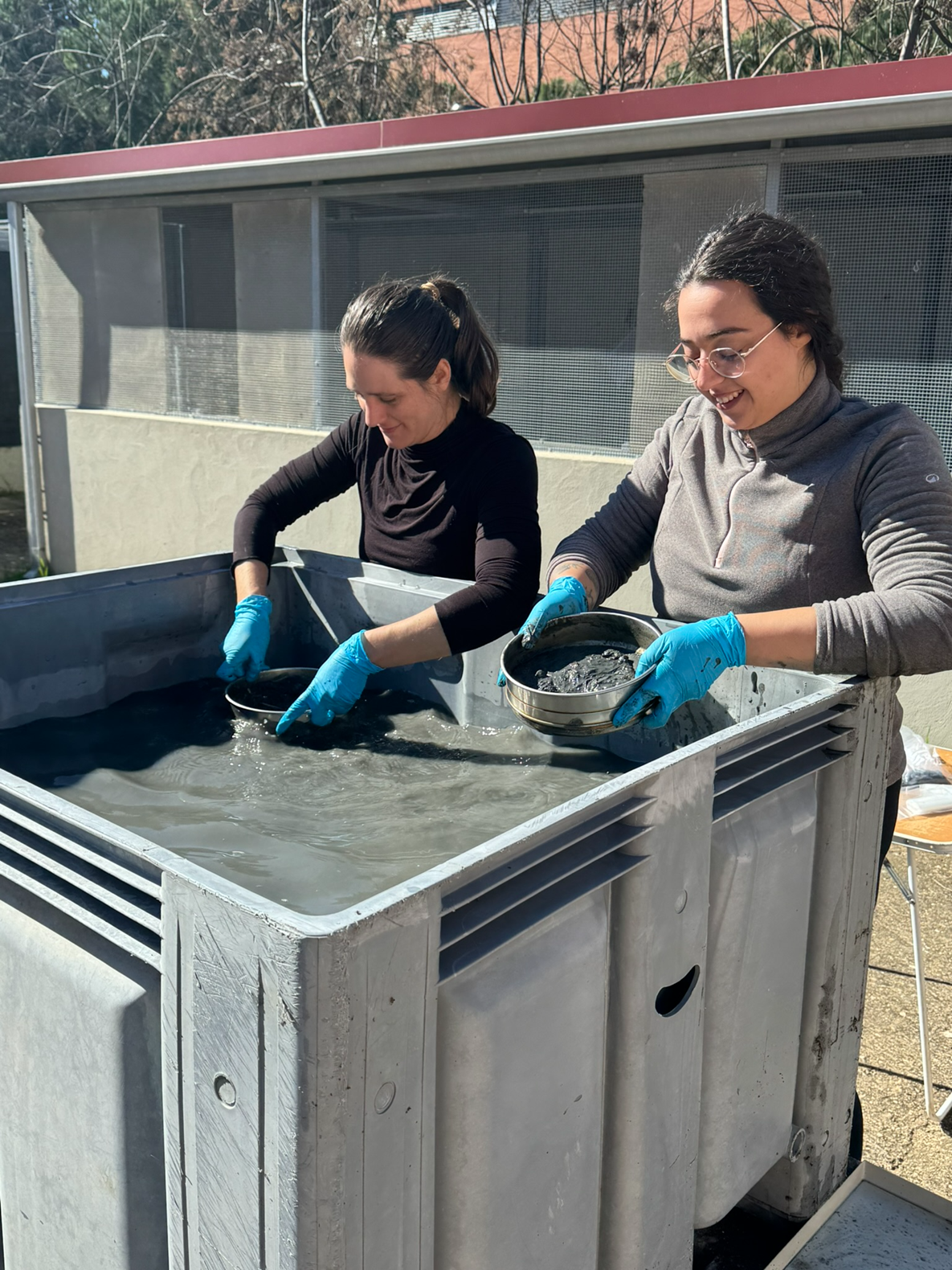
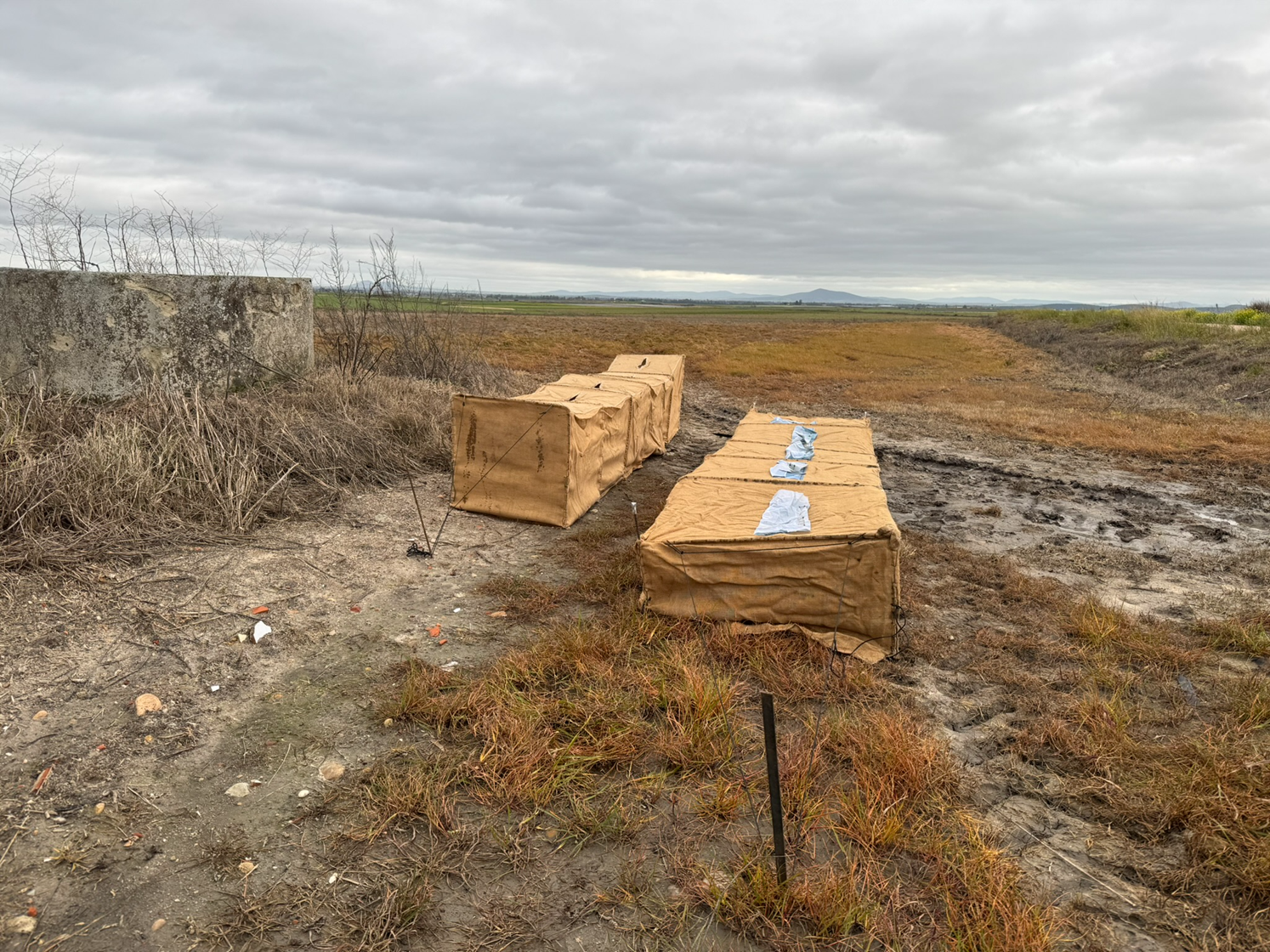
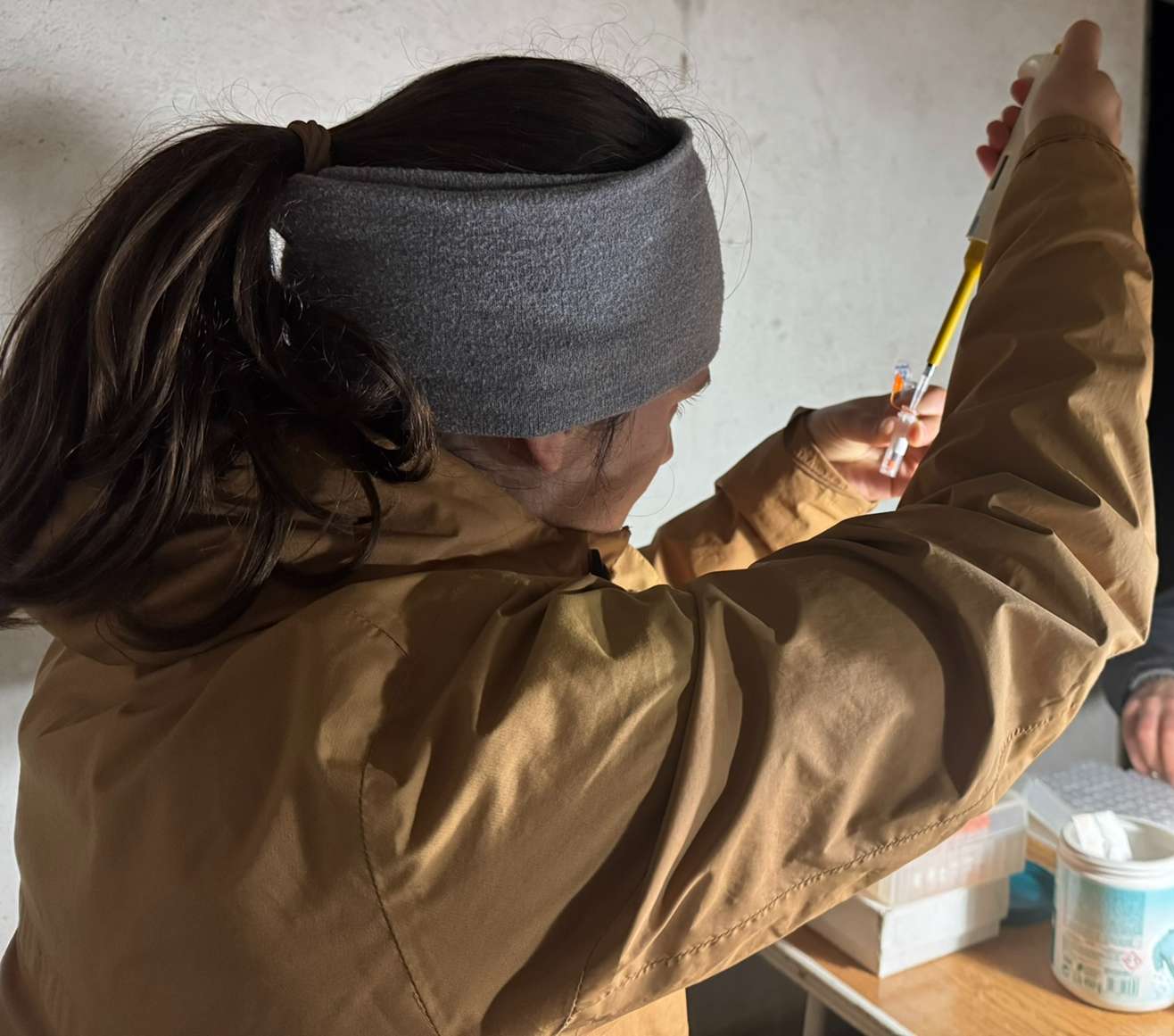
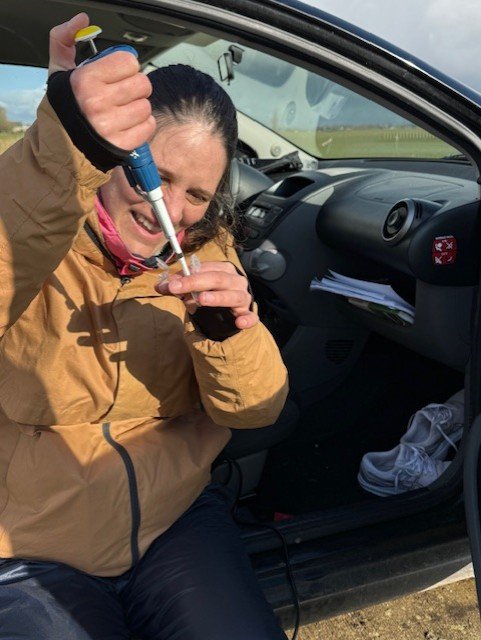
Photos from field work in SYBERAC Case Study 3
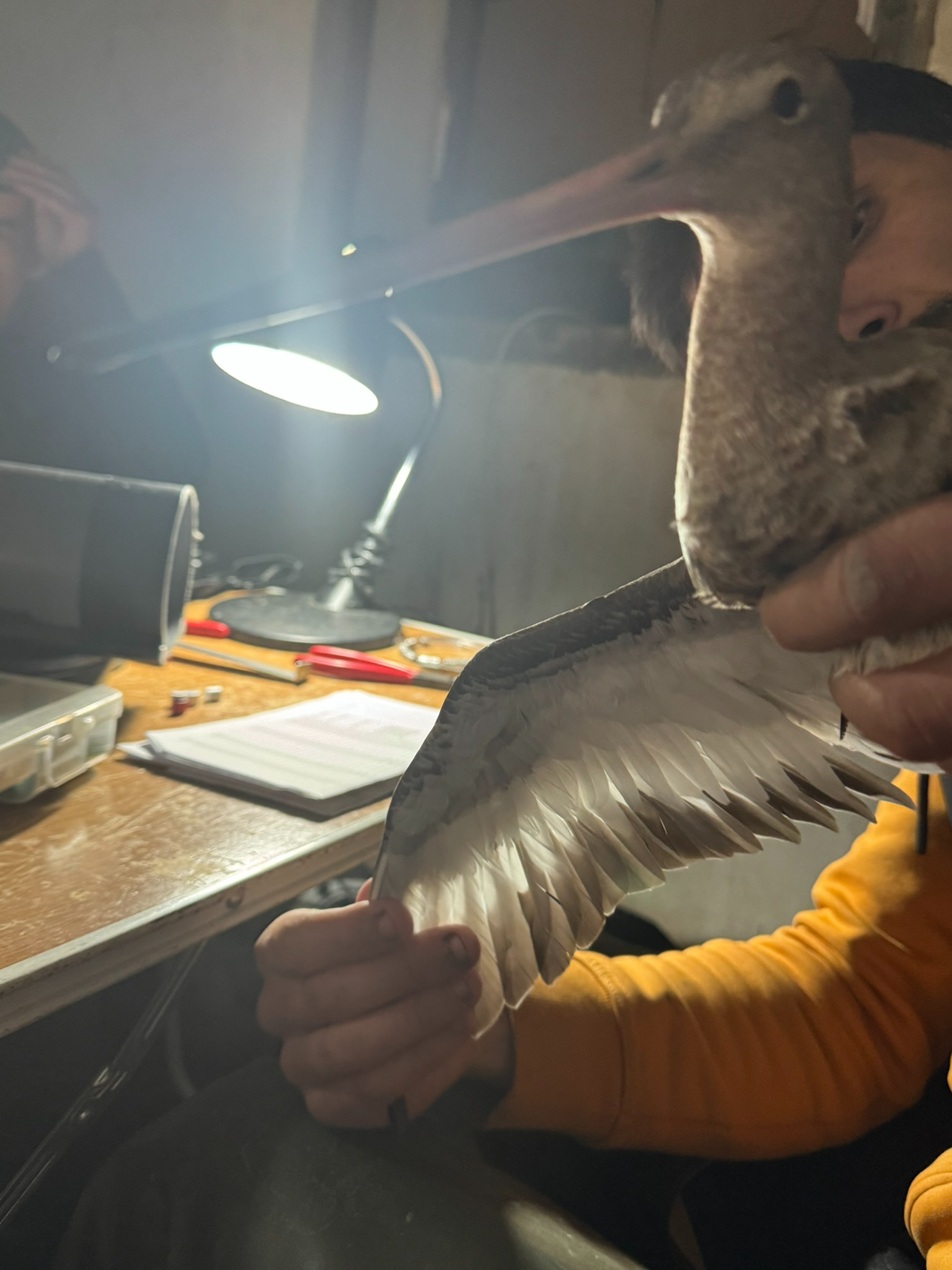
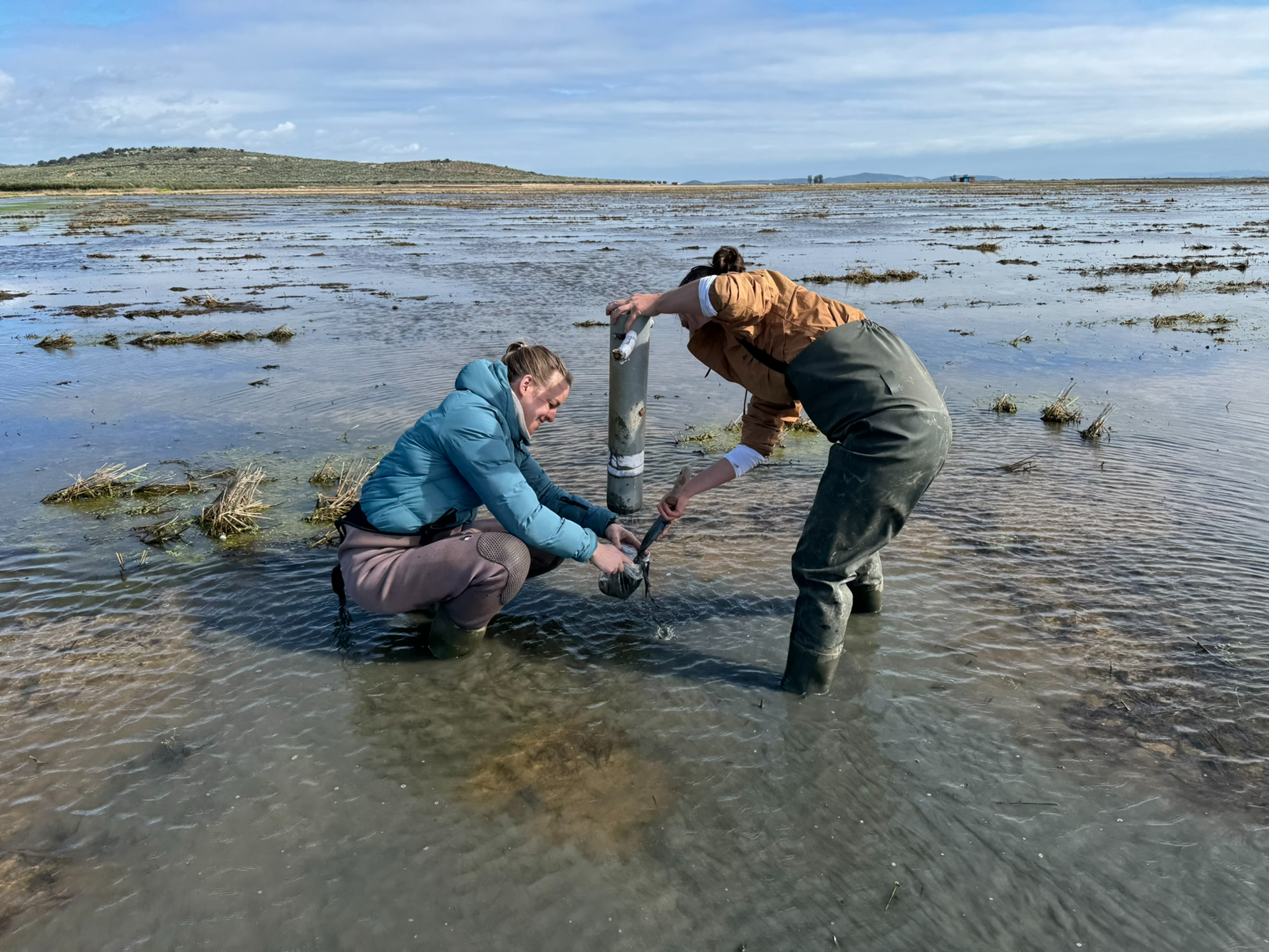
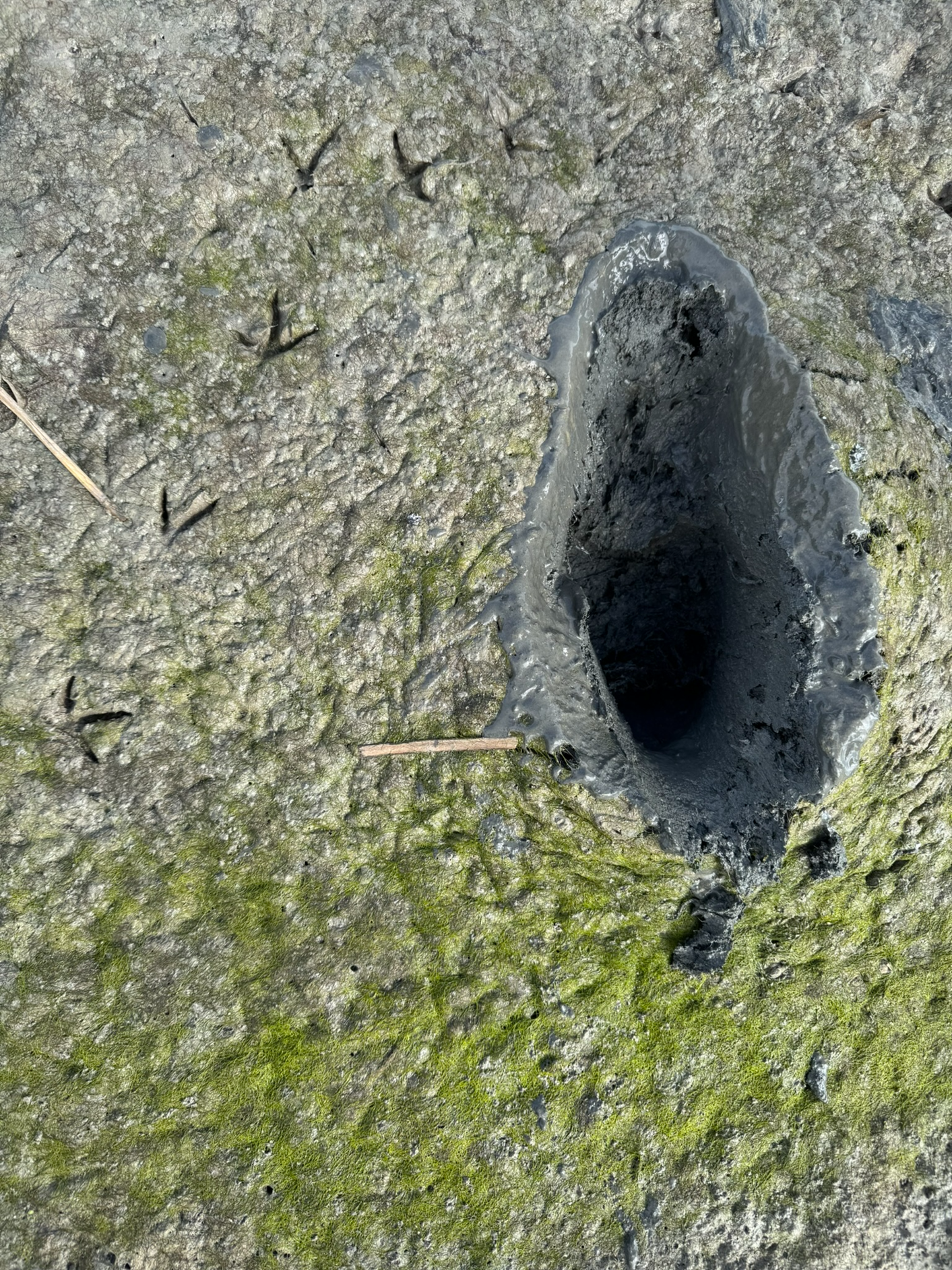
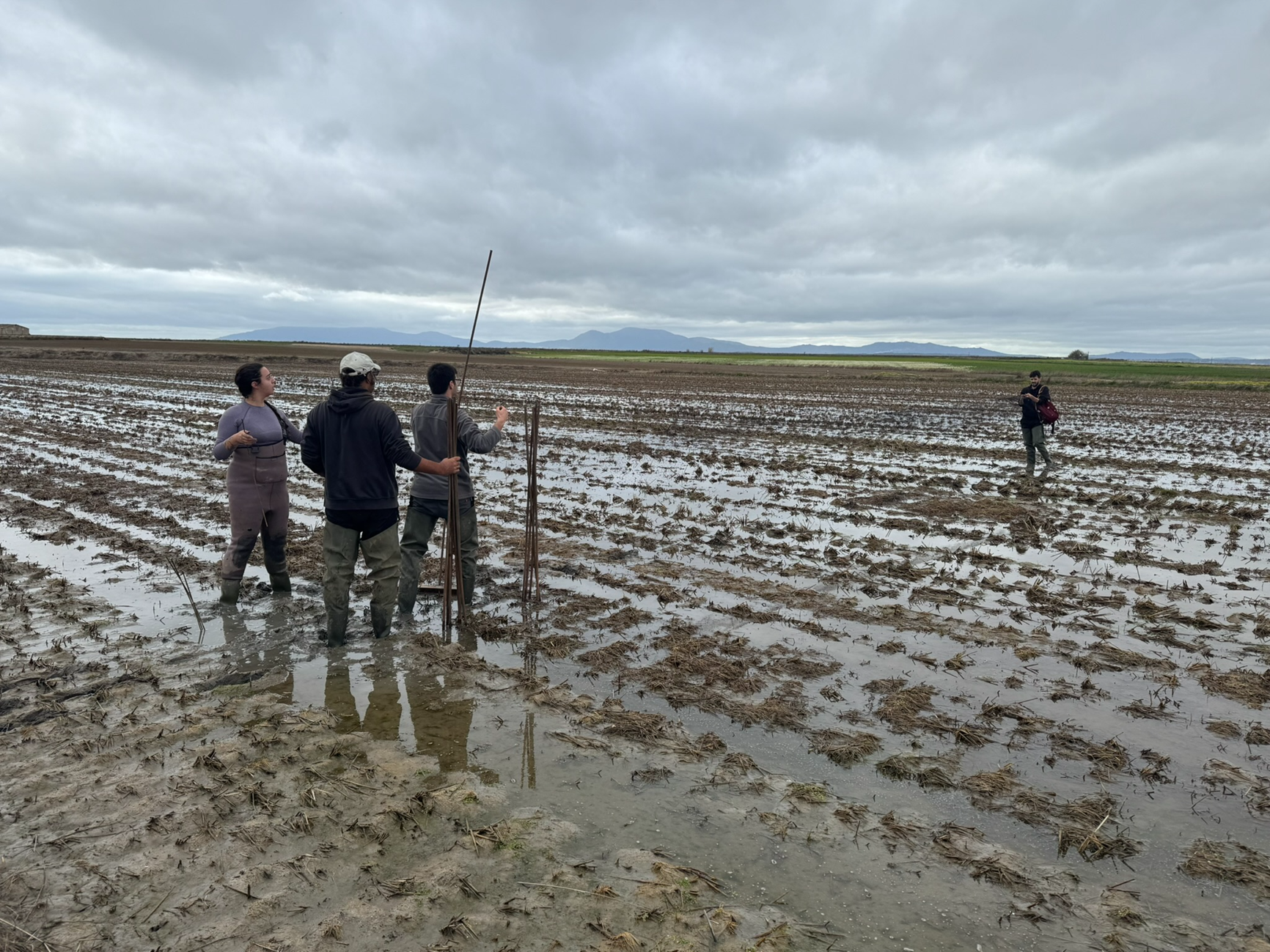


Involved stakeholders
University of Groningen, BirdEyes (NGO) → information holders
Farmers
Industry
Agronomists, practitioners, landscape architects
Nature conservationists
Nature conservation and other authorities
Locations

Description: Across the EU and (West-) Africa
Along the godwit’s East Atlantic Flyway migratory route (different habitats at different places, including grassland, estuaries or rice fields).
Learn more about the case study