Case Study 4A - Contaminants from secondary fertilisers
Emission and fate of compounds of emerging concern (CECs) released to agricultural fields from secondary fertilisers

Institutions: AU-ENV
CS Coordinator: Kai Bester
Objectives / Hypothesis
Assess fate, uptake, and effects of chemicals of emerging concern (CECs), especially antimicrobials introduced to ecosystems via sewage sludge application as secondary fertiliser.
Description of the case study
Case Study 4A concentrates on the emission and fate of Contaminants of Emerging Concern (CECs) in soil ecosystems.
Case Study Goal
Exposure assessment
In the field:
CEC concentrations in soil, pore water and crops of the fields treated with sewage sludge
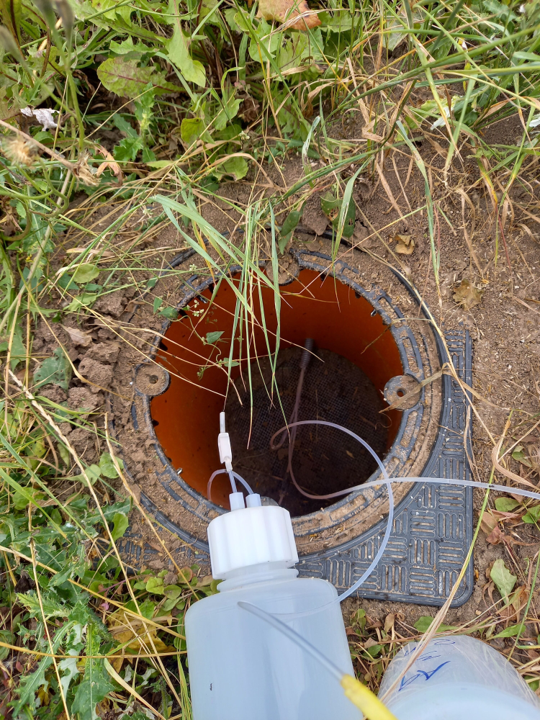
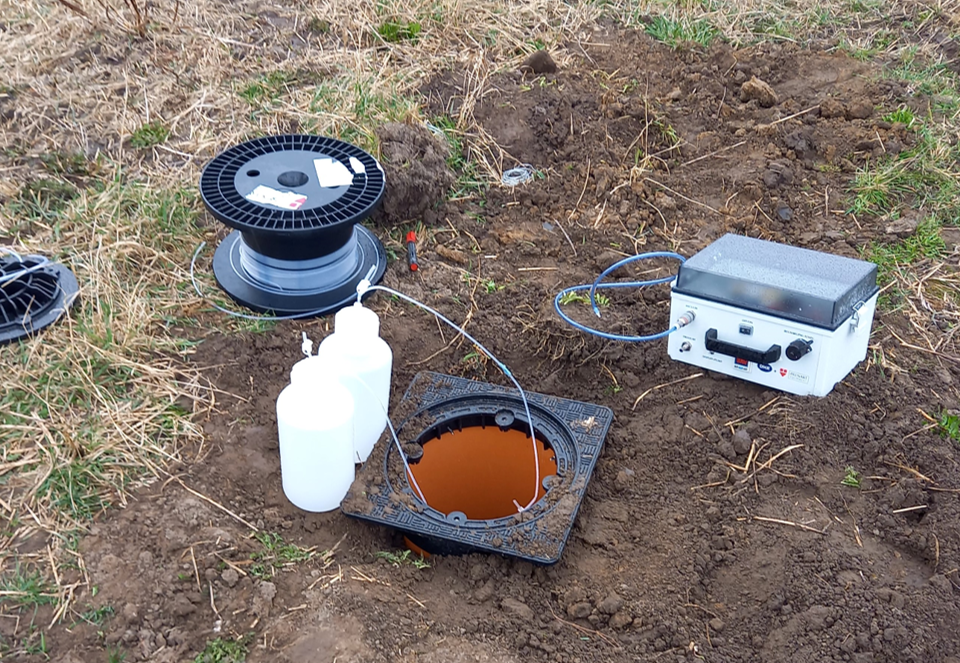
Suction cups to study CEC movement with pore water towards groundwater
Time series on soil to track in-situ degradation and soil profiles to determine transfer into deeper layers over time
Analysis of field crops (barley) to understand potential for plant uptake
Preliminary persistence assessment/properties/fate at lab scale
Degradation kinetics in soil under controlled conditions indicate unexpectedly high persistence of antimicrobials in soil
Microbial metabolisation of key CECs in soil
Effect assessment
Effect studies on microbial communities: Bacterial communities show adverse effects of bactericidal loadings of soil
Species
Bacterial communities
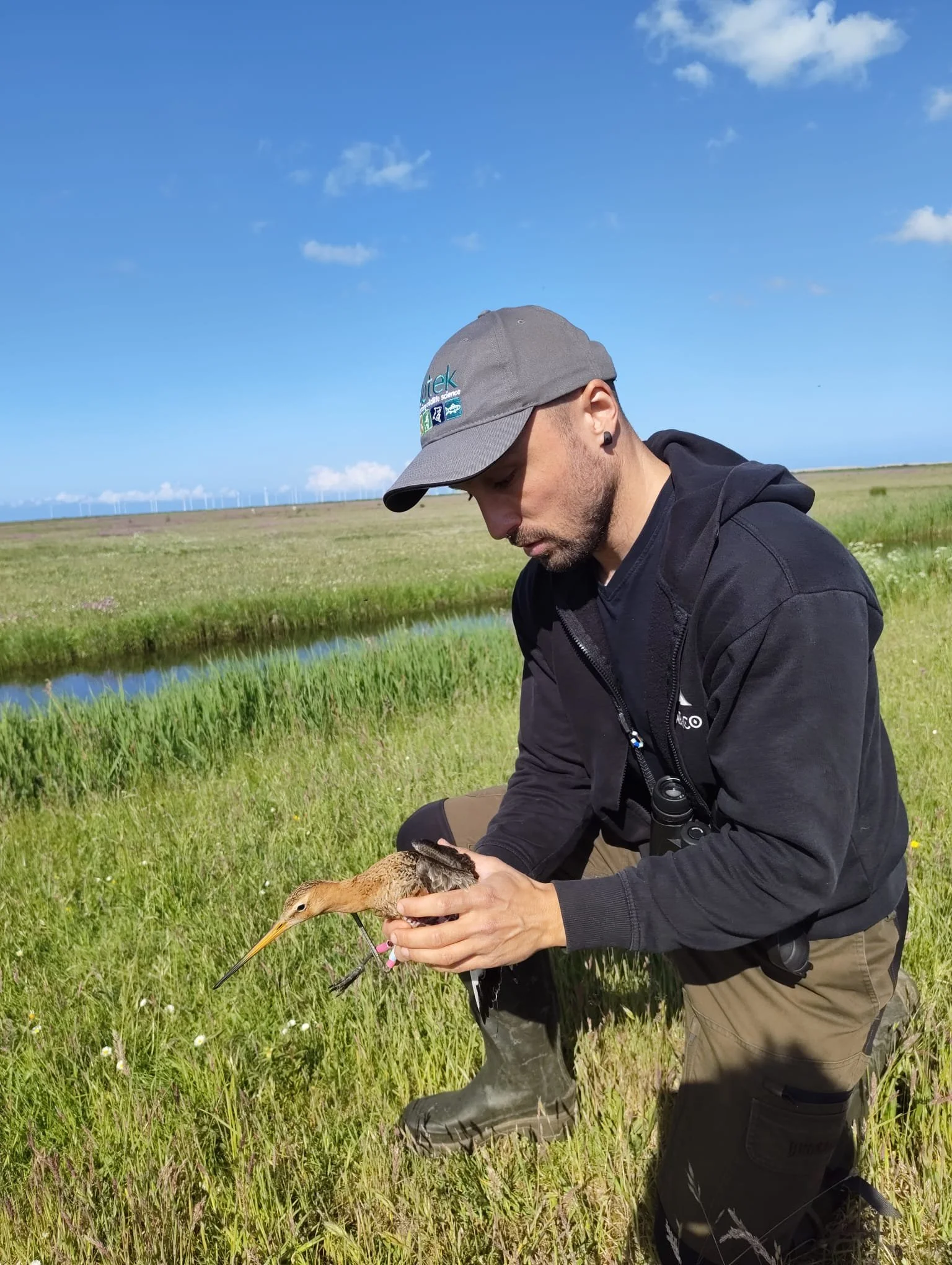
Photos from field work in SYBERAC Case Study 4A

Involved stakeholders
National food industry (Dairy Arla having some demands on not using sludge)
SEGES (farmers’ knowledge centre)
Environmental protection groups
Dalgas (Sludge distributor)
Locations

Description:
Research farm (Høje Taastrup, Denmark) belonging to the University of Copenhagen
0.6 ha plots, one receiving and one not receiving sludge for 20 years, both amended with fresh inputs in 2025
Learn more about the case study