Case Study 6 - Pesticides in conservation areas
Atmospheric deposition of pesticides in nature conservation areas

Institution: RIVM
Case Study Coordinator: Joost Lahr
Objectives / Hypothesis
Assess the atmospheric deposition, contamination, and toxic pressure of chemicals transported into nature conservation areas.
Description of the Case Study
Case Study 6 aims to assess the impact of chemical transport on different nature conservation areas in the Netherlands, focusing on atmospheric deposition, contamination levels in soil and oak leaves, and associated mixture risks to soil invertebrates.
Case Study Goal
Exposure assessment:
Chemical analysis of samples of soil, plants and soil organisms from the selected nature conservation areas
Deployment of devices in nature areas to measure bulk (wet and dry) atmospheric deposition
Risk assessment:
Concentrations of detected pesticides in soil are to be combined with existing eco toxicological data to assess risks of mixture effects (SSD’s = species sensitivity distributions, and msPAF = multi-substances potentially affected species fraction of species
Species
Oak leaves and soil organisms.
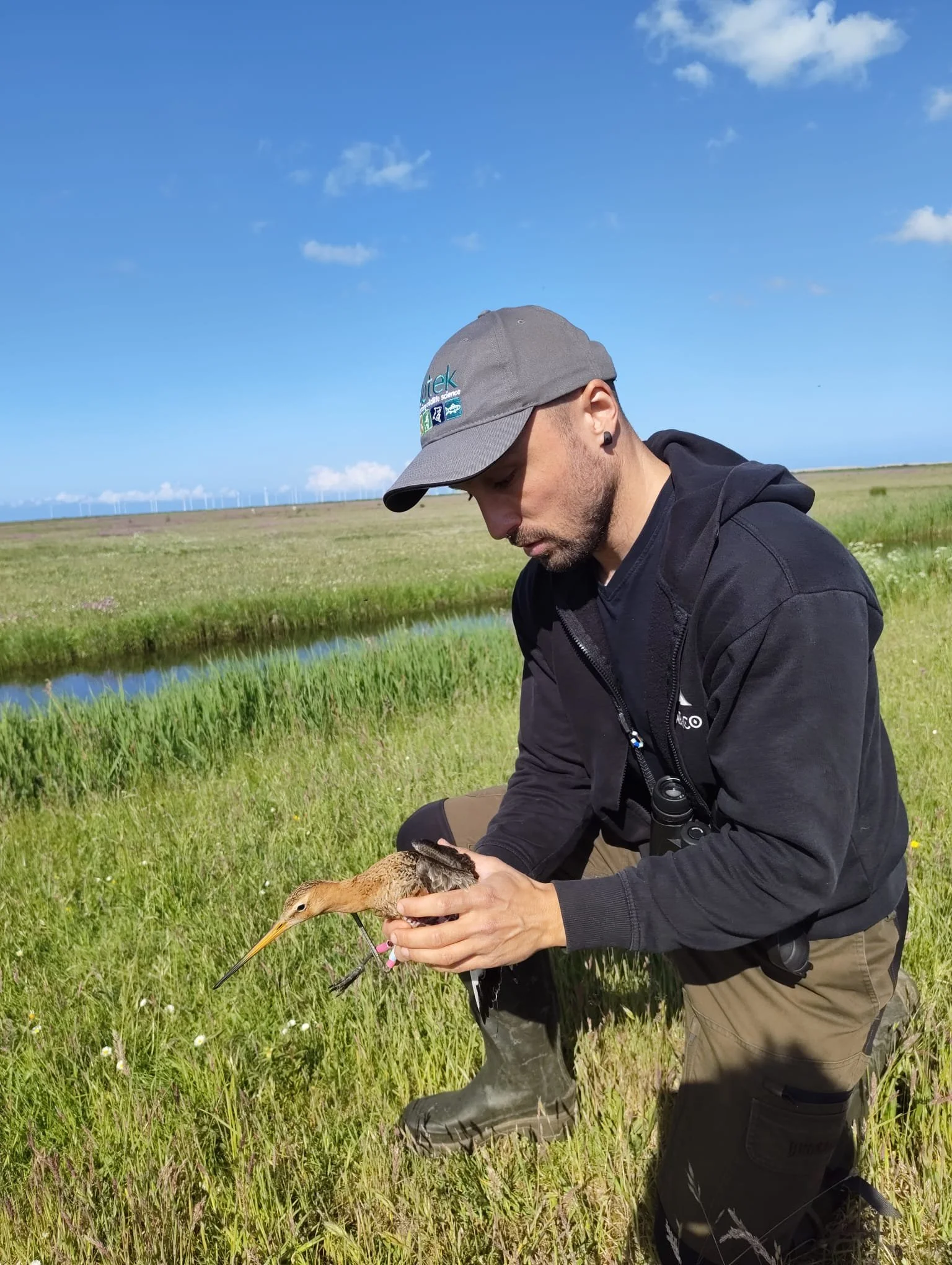
Photos from field work in SYBERAC Case Study 6 (Photos by RIVM)
Involved stakeholders
The following groups are intended to be involved in the communication and implementation of Case Study 6:
Conservation area managers
Concerned citizens
Authorization Board for Plant Protection Products (Ctgb)
Dutch Ministries with competence in agriculture, nature and water management
Local and regional authorities
Farmers and agricultural organisations
Nature conservation NGOs
Pesticide industry
Locations
Description:
Three nature conservation areas across the Netherlands:
Dwingelderveld (in the northern part of the country)
Veluwezoom (centre)
Strabrechtse Heide (south)
Sampling stations in the middle of the conservation areas, away from intensive traffic and from agricultural and urban areas
Learn more about the case study