Ricardo Carapeto about the balance between veterinary medicines and wildlife | Stakeholder Stories
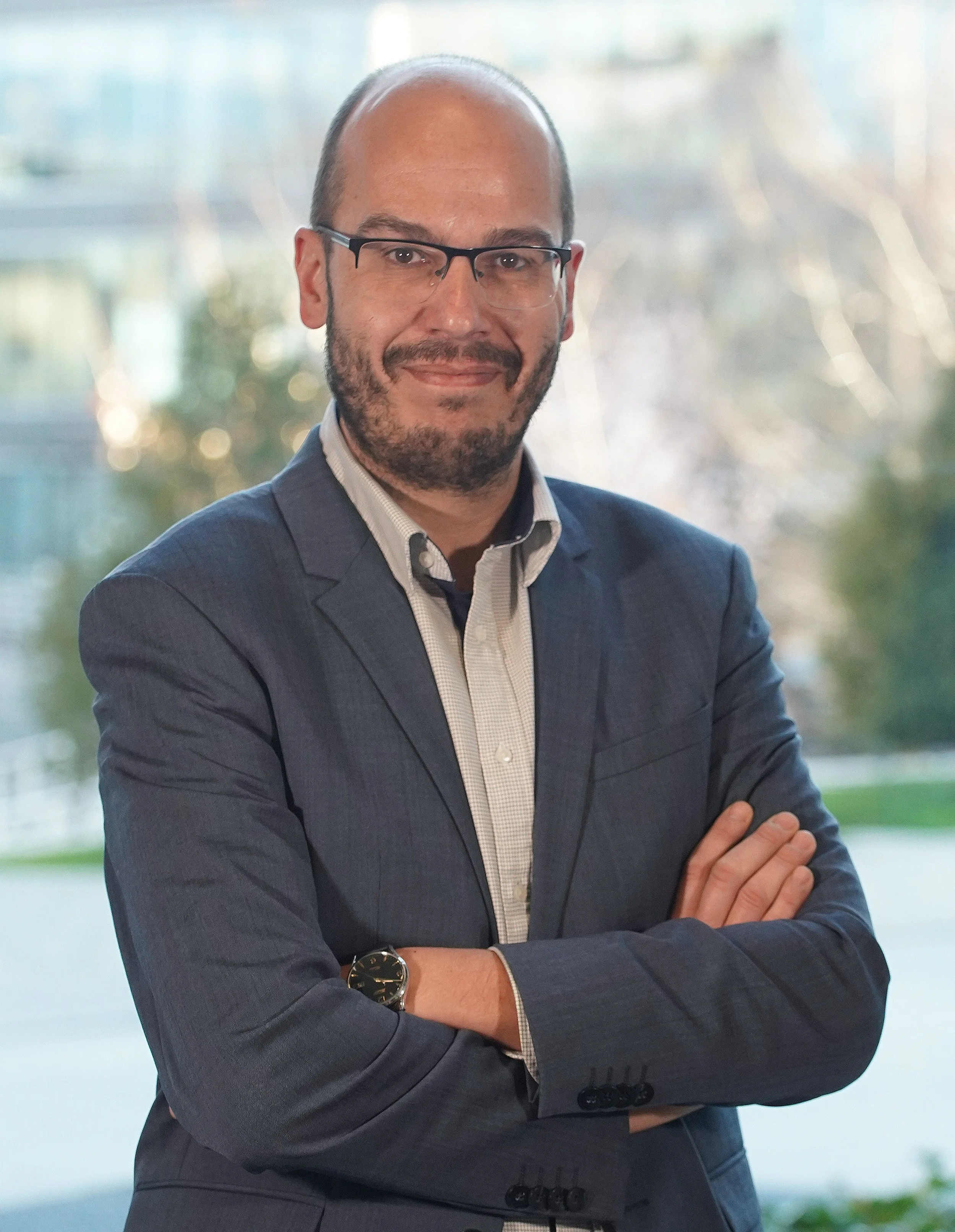
Ricardo Carapeto (AEMPS)
“Being in close contact with scientific researchers is not an option nor an obligation, it is part of our reason for being. ”
How are you involved in the SYBERAC project?
“The regulatory and administrative world is a complex matrix of institutions, competences and hierarchies. My role in the SYBERAC project is to help researchers to understand that matrix so their actions can have higher impact. Also, and at the same level of importance, I get valuable information about scientific advances and perspectives that affect the regulatory environment of veterinary medicines, the environmental risk assessment, risk management and risk communication.”
Why did you decide to be part of this project?
“The Spanish Medicines Agency (AEMPS) is a regulatory agency that relies heavily on the scientific knowledge for achieving the objectives that society demands from us. Being in close contact with scientific researchers is not an option nor an obligation, it is part of our reason for being. When I received the invitation from Dr. Mateo I was pleased to participate.”
Could you please briefly describe your role at Agencia Española de Medicamentos y Productos Sanitarios (AEMPS)?
“I am head of the environmental risk assessment area of veterinary medicines and coordinator of the environmental side of the National Action Plan against Antimicrobial Resistance. My work implies making the environmental risk assessment of veterinary medicines at the time of their authorisation, participation in the EU scientific Committee of veterinary medicines (CVMP), attendance to the EU’s working groups on pharmaceuticals in the environment and on environmental risks of veterinary medicines and giving support to the AEMPS on horizontal issues where environment and medicines cross.”
How is the AEMPS profiting from being part of SYBERAC?
“The AEMPS profits by having first-hand information of the outcome of researches and by helping to shape the design of future studies in a way that can help us both, researchers and regulators.”
How is AEMPS protecting animals like vultures?
“The risk assessment is the first and fundamental part of the risk management process. The AEMPS is responsible for making such assessment and it is really important to have a clear identification and quantification of the risks related to the use of veterinary medicines in order to take proportionate actions able to maintain the delicate equilibrium between environmental protection, medicines availability, animal and human health and animal welfare. In the specific case of vultures, a fundamental species in the balance of important ecosystems and an emblem and reason to be proud of, we make efforts to get the best and most recent information that help us to better shape the risk assessment of veterinary medicines affecting them. We also stay vigilant on adverse effects affecting vultures and notified through the pharmacovigilance channels. And last, the identified risks are communicated to veterinarians in order to ensure that a safe use of the veterinary medicines is followed. The risk is communicated through different means such as informative notes, direct communication with Veterinary Colleges and pharmacovigilance presentations in Schools of Veterinary and animal health congresses.”
“The protection of wildlife is important [...] because the biodiversity is a good in itself that needs to be protected and because biodiverse ecosystems are highly resilient, something particularly important in the context of change where we stand. ”
In your view, why is it important to protect wildlife from veterinary medications?
“The AEMPS is committed with the protection of the environment, an intangible asset for whose health we humans are responsible. In my view, the protection of wildlife is important for two reasons: Because the biodiversity is a good in itself that needs to be protected and because biodiverse ecosystems are highly resilient, something particularly important in the context of change where we stand. Besides, in Spain there are agroecosystems like Dehesa of high economic, cultural and societal importance. These agroecosystems have very intricated connections between wild and domestic fauna whose stability depends on the equilibrium of all actors involved.”