Case Study 2A: Aquatic/terrestrial (bats)
Pollutant transfer and effects in the interface between aquatic and terrestrial environments
Institutions: CSIC
CS Coordinators: Ana López-Antia, Silvia Lacorte
Objectives / Hypothesis
Linking aquatic and terrestrial pollutant fate and hazards in a tailored risk assessment for bats in rice fields.
Description of the case study
Case Study 2A aims to understand the exposure of bats to pesticides in rice fields and the main routes by which this occurs. Additionally, it seeks to investigate the effects of this exposure on physiological and apical endpoints, considering potential indirect effects and the importance of landscape characteristics. . To achieve this, bat populations will be monitored in seasonal campaigns, and plant protection products (PPP) residues will be analysed in bats, invertebrates, and the environment (water, soil and sediment), as well as insect abundance and diversity.
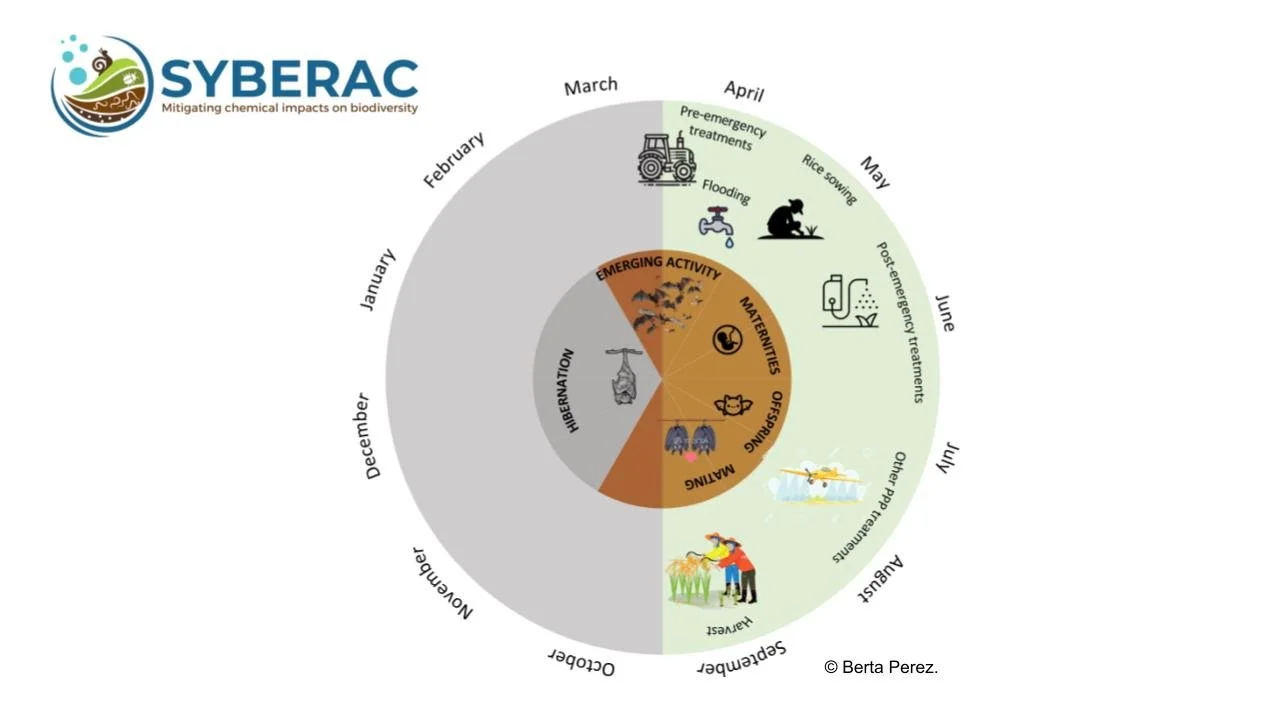
This diagram by Berta Perez illustrates the rice-growing cycle and the bat’s life cycle, highlighting how their key stages align and interact.
Case Study Goals
Exposure assessment
Knowledge on pesticide application dates (from farmers)
Residues of pesticides in water and sediments from the rice fields and nattural areas
Residues of pesticides and degradation products in bats (faeces and fur) and invertebrates (whole body) during application periods
Effect assessment - Direct effects, characterized at different levels of biological organization
Effects at the individual level: assessment of body condition and behavioral responses (acoustic surveys before and after PPP applications).
Effects at the cellular level: detection of micronuclei in red blood cells.
Effects at the molecular level: analysis of biomarkers using metabolomics.
Indirect effects related to insect availability.
Biodiversity monitoring - Richness and abundance of insects with aquatic larvae and flying adults, and terrestrial flying insects (acting as food for bats and some of them as pests for rice)
Species
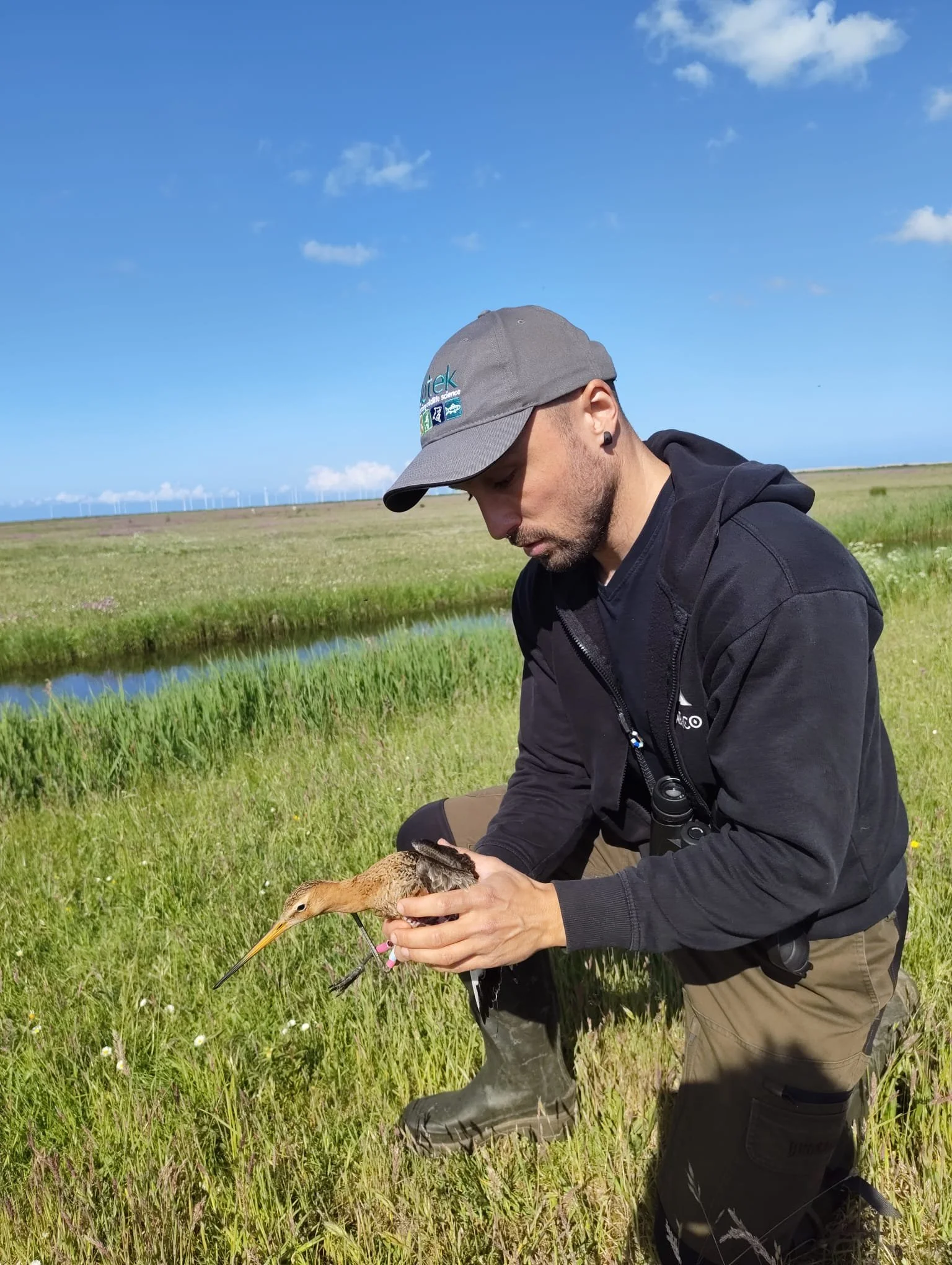
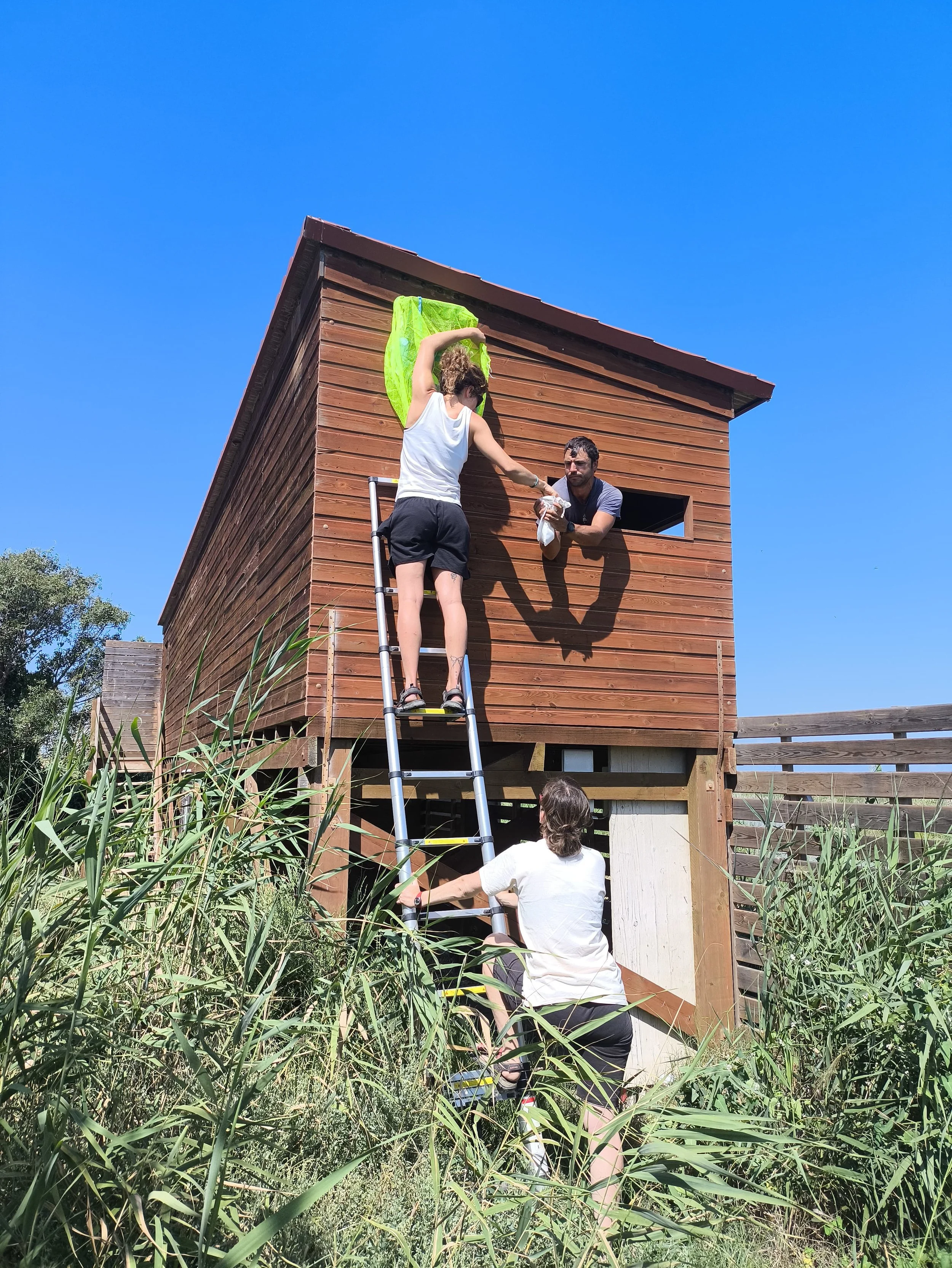
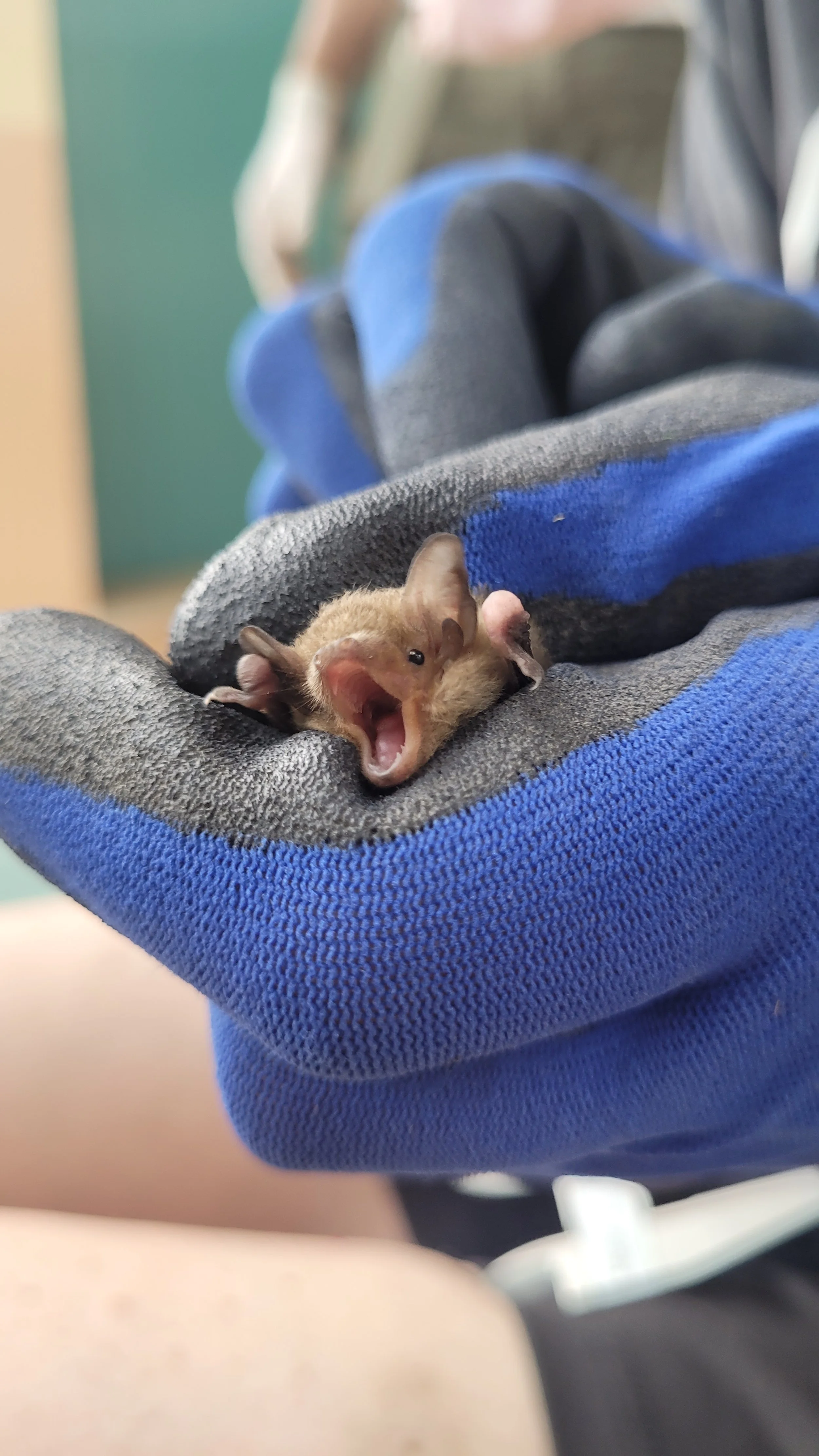
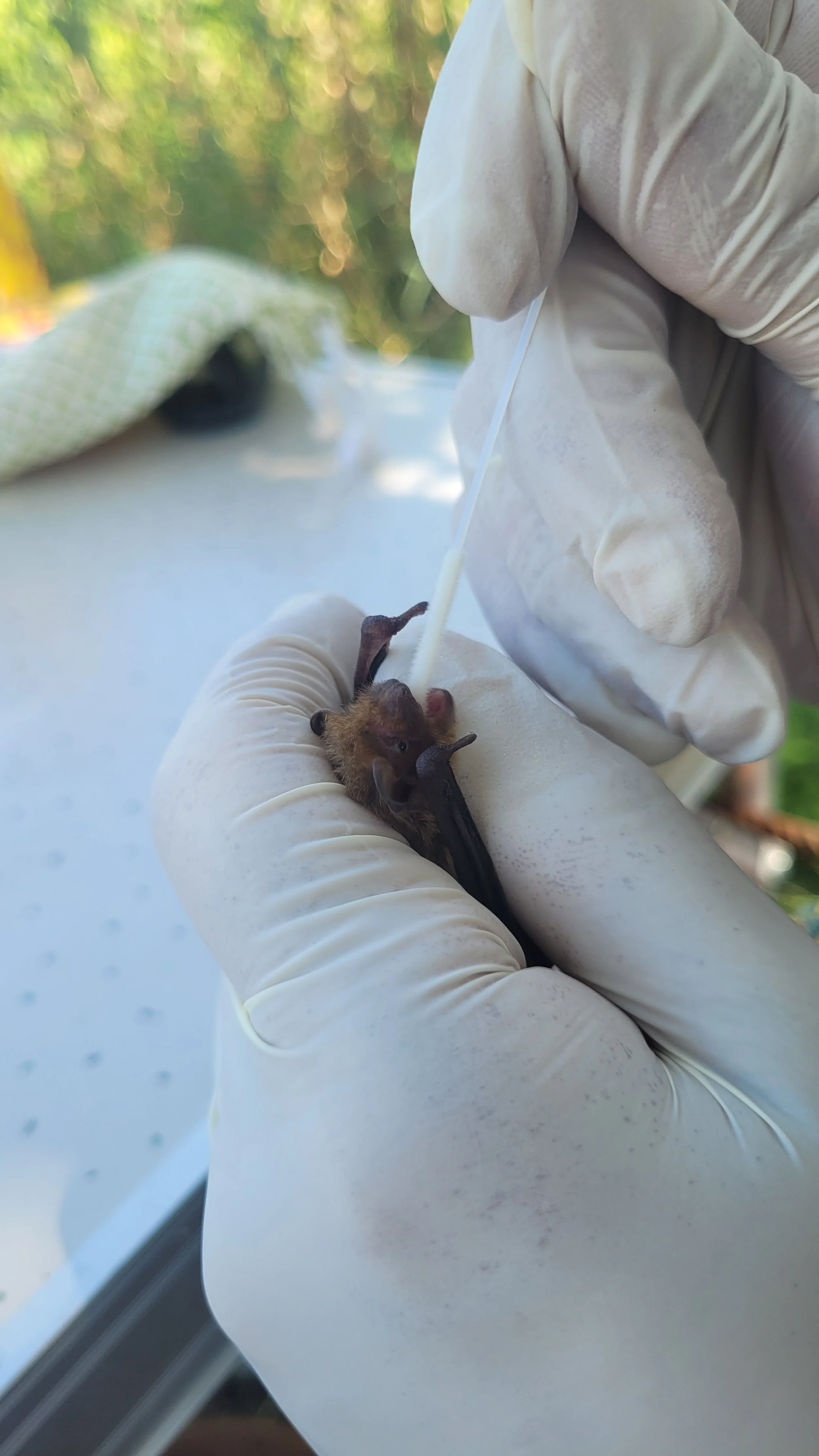
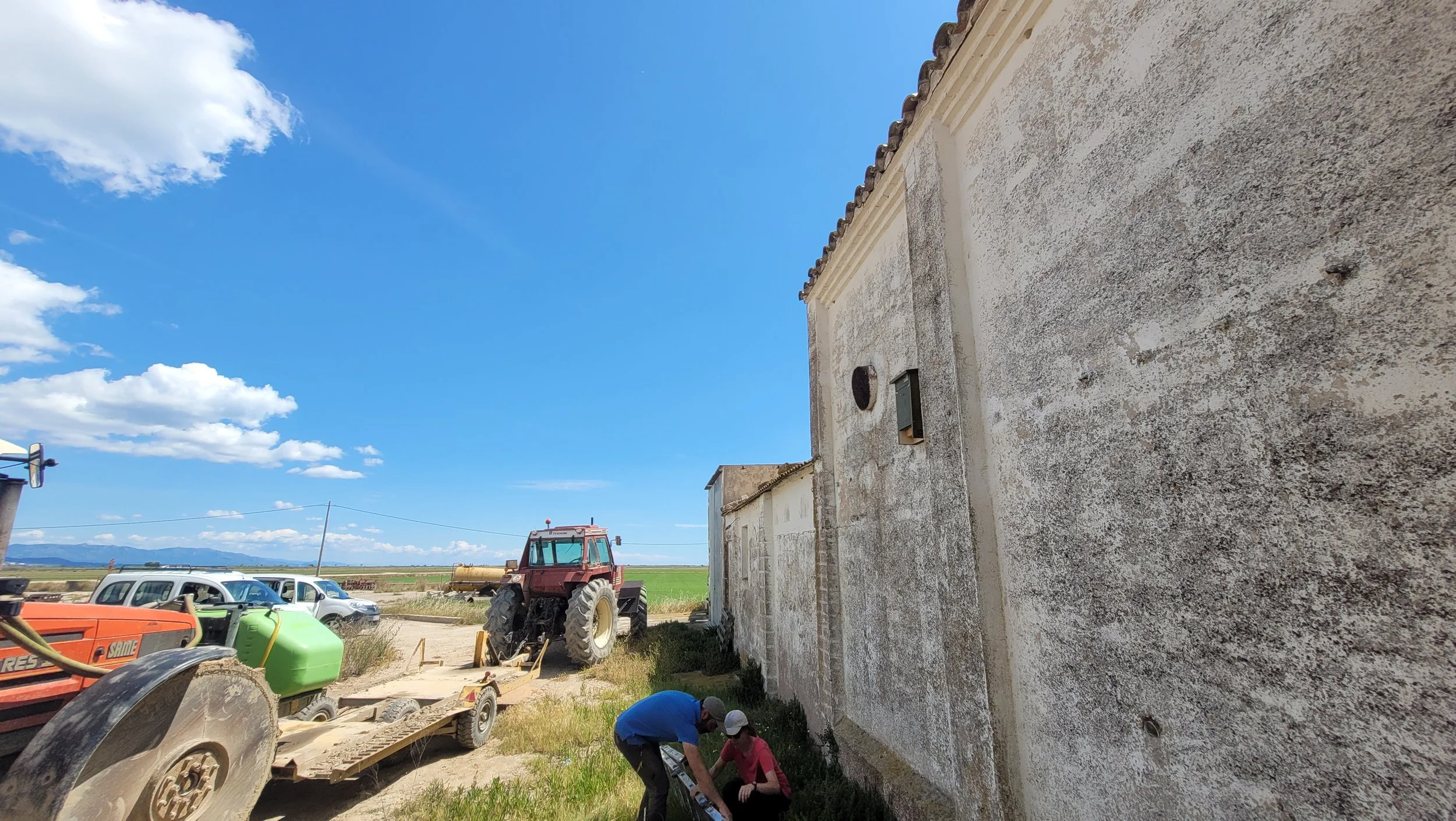
Photos from field work in the Ebro Delta in SYBERAC Case Study 2A
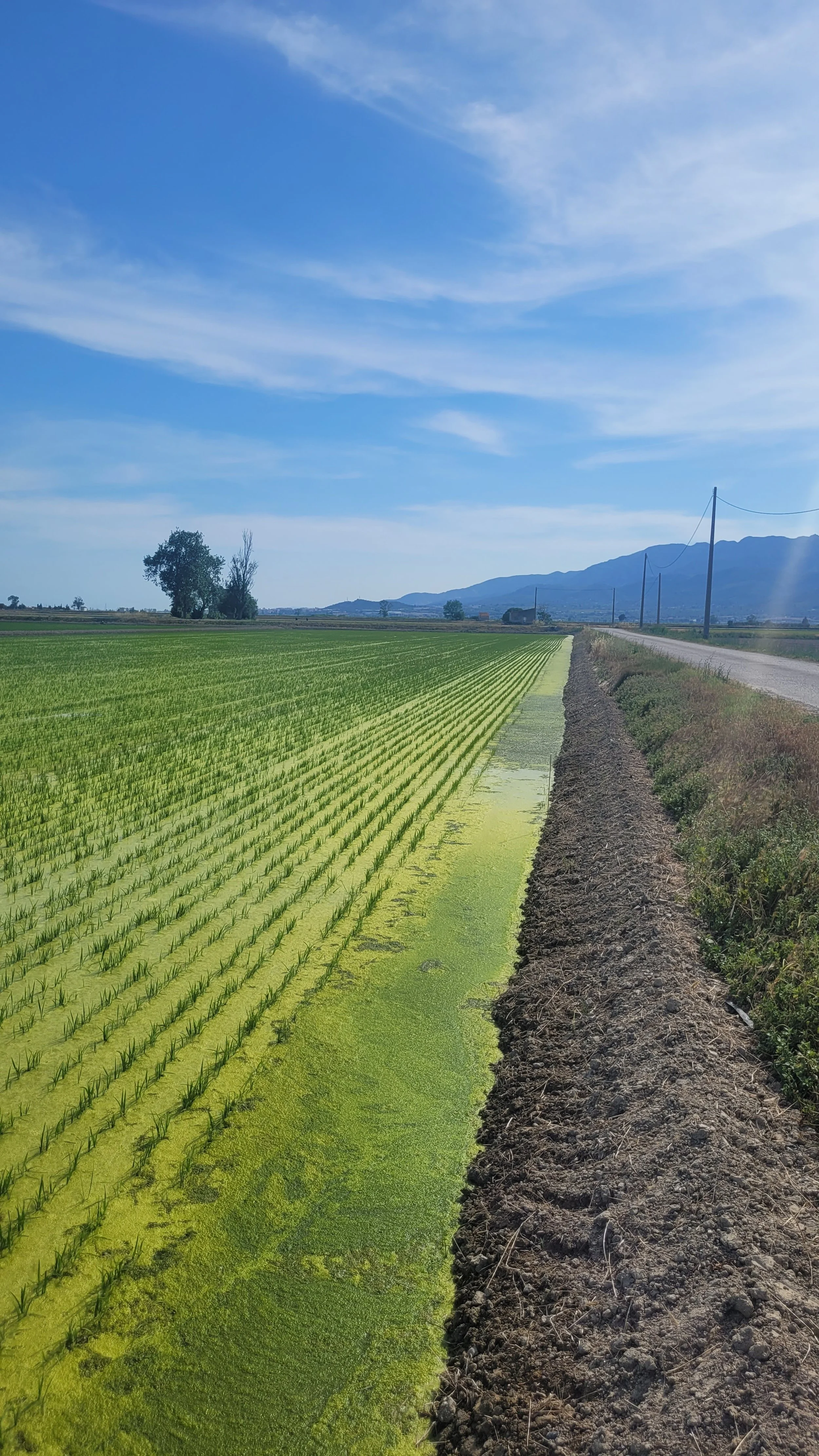


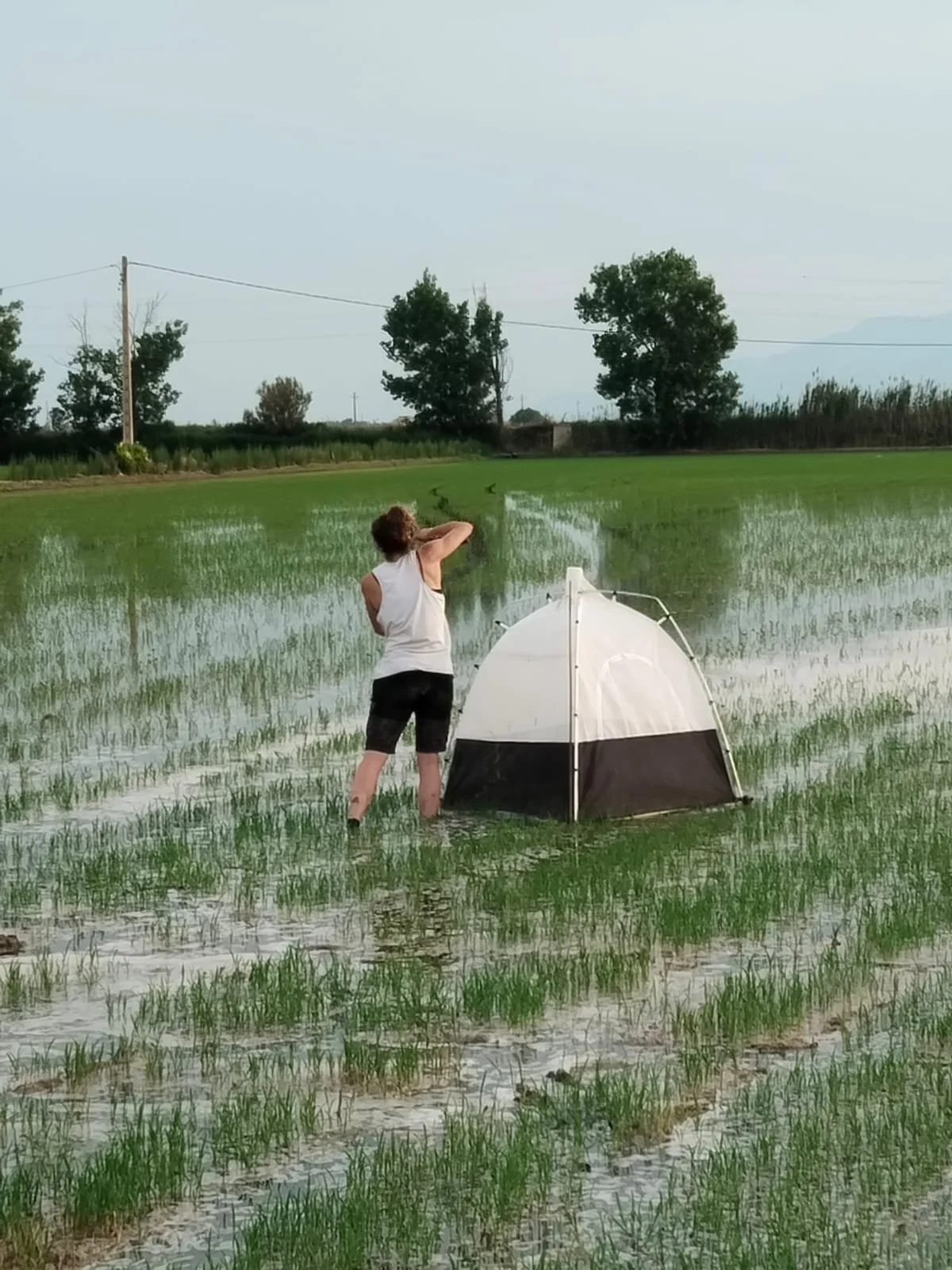
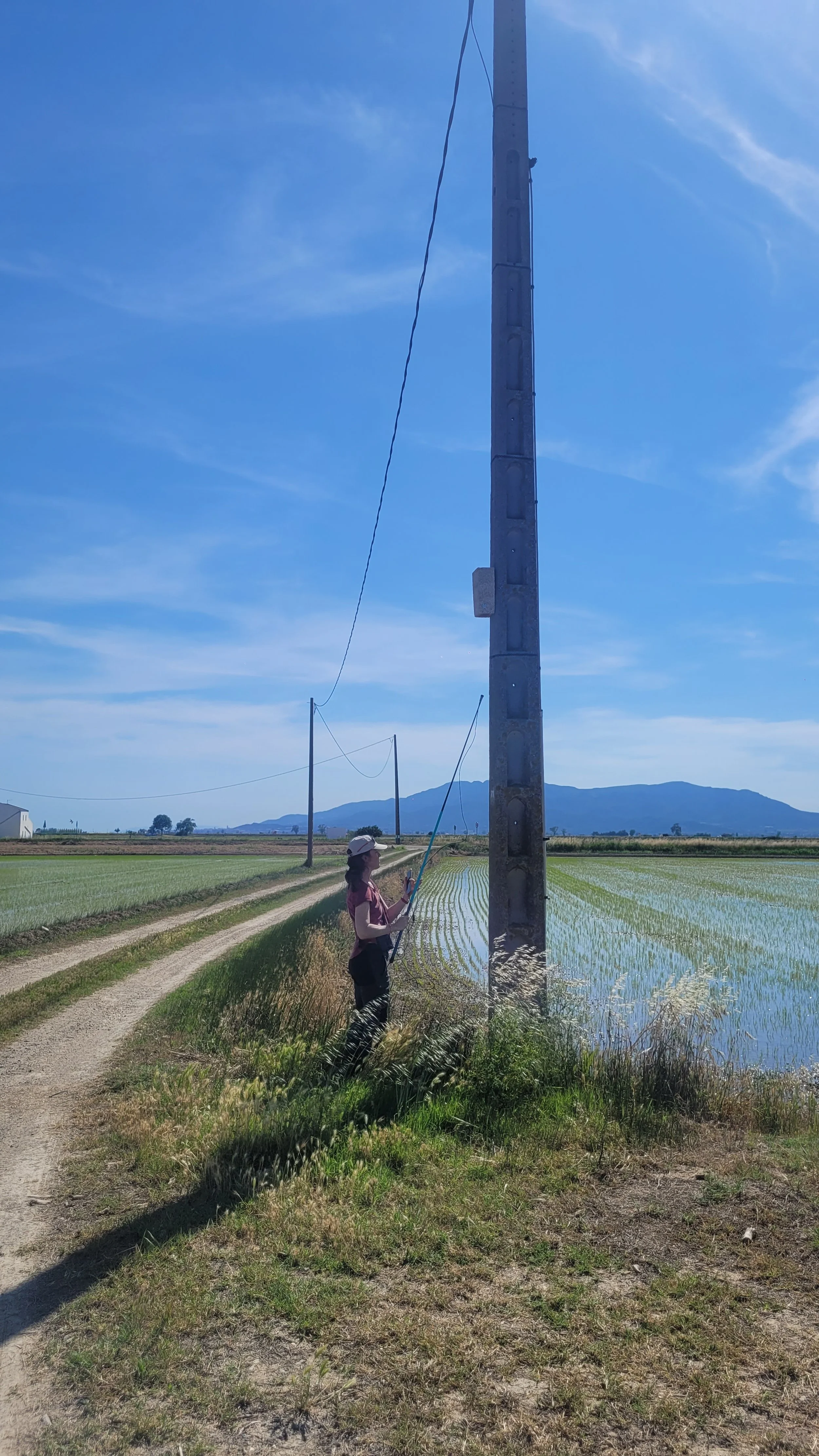
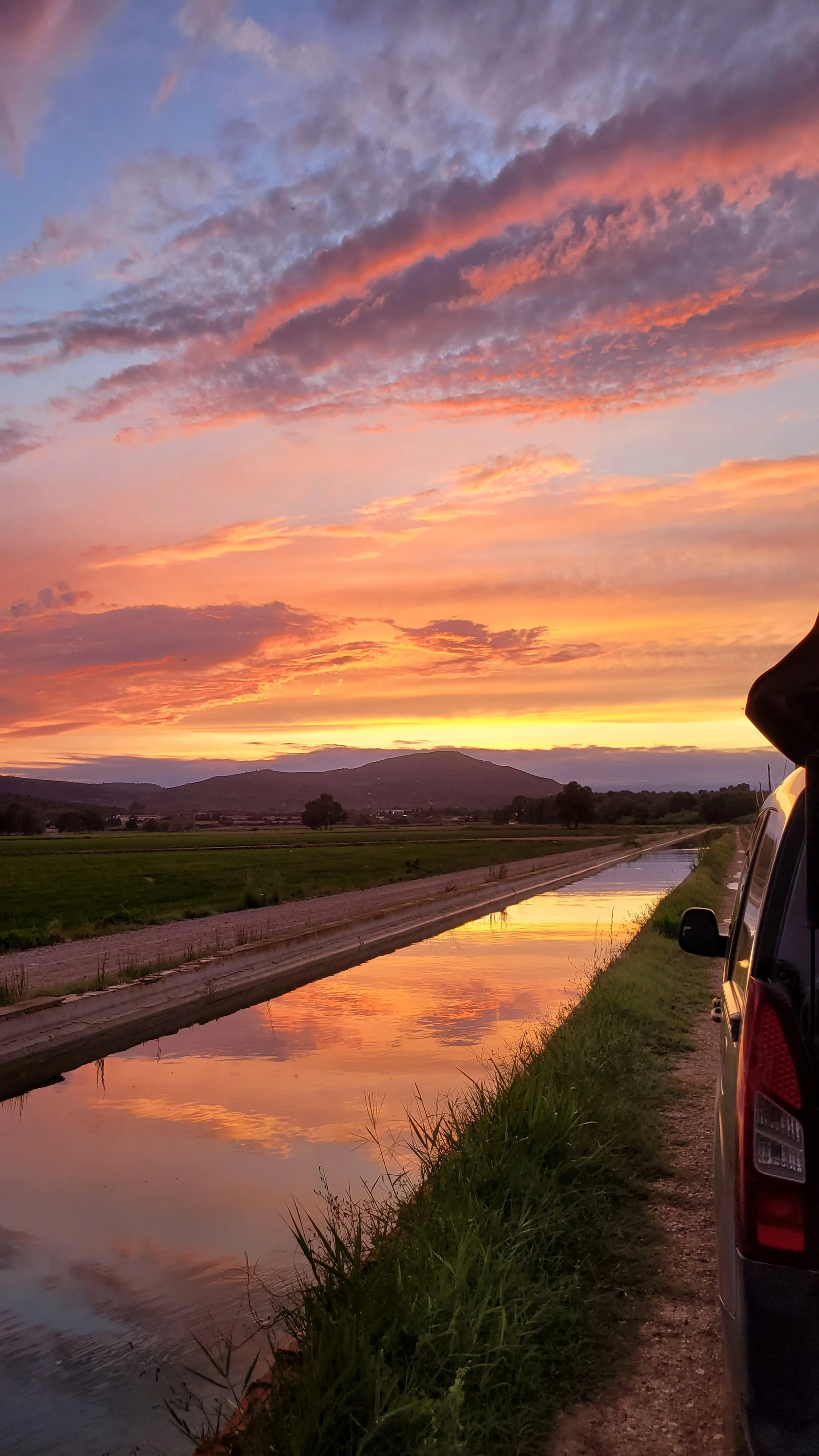



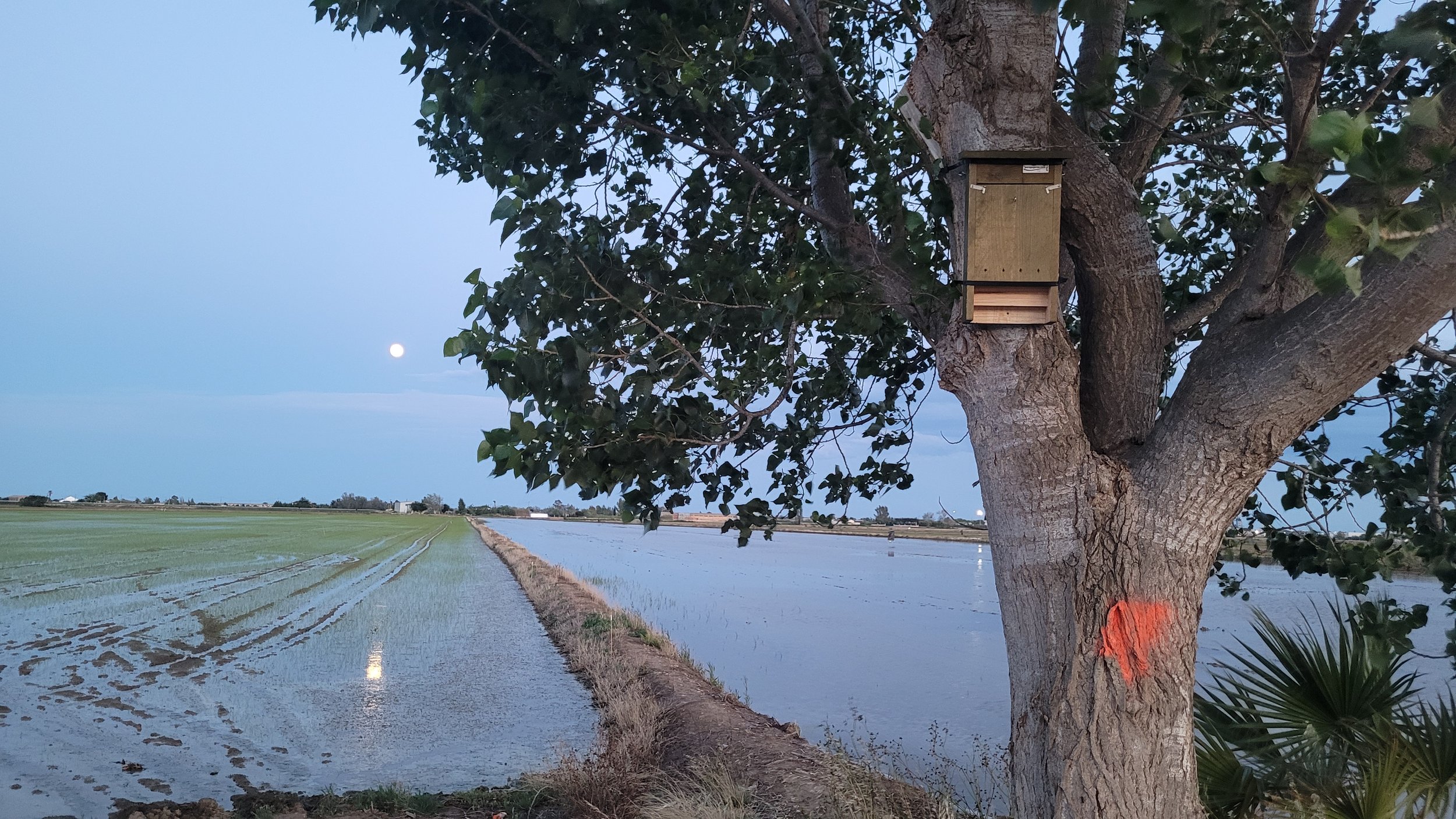
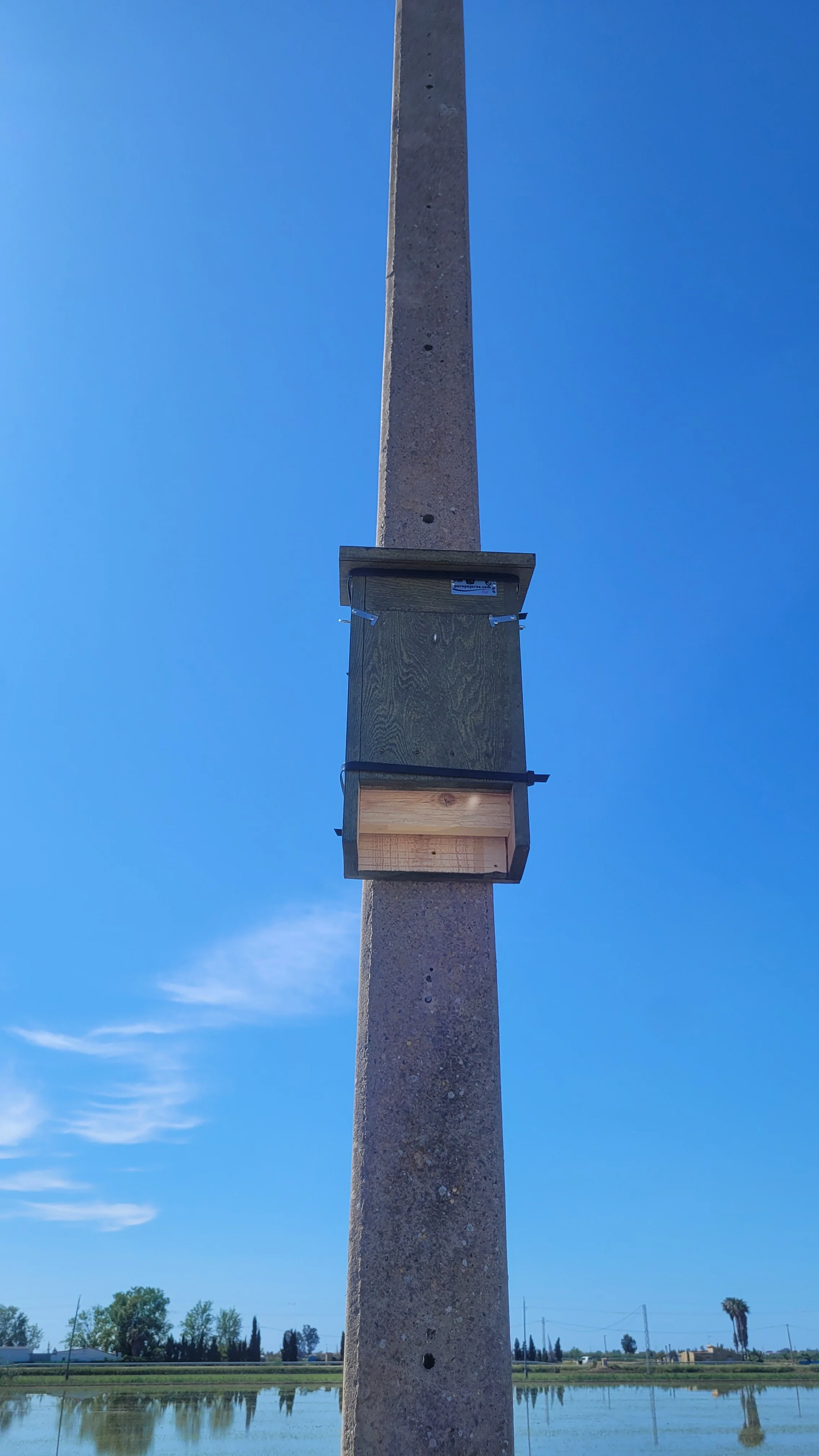
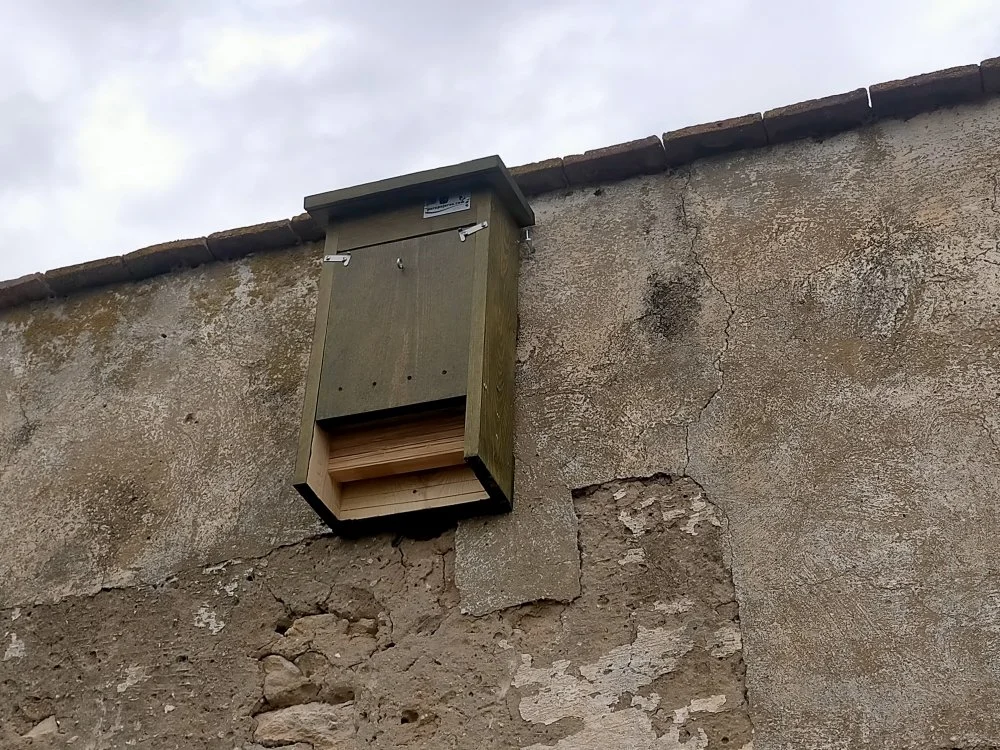
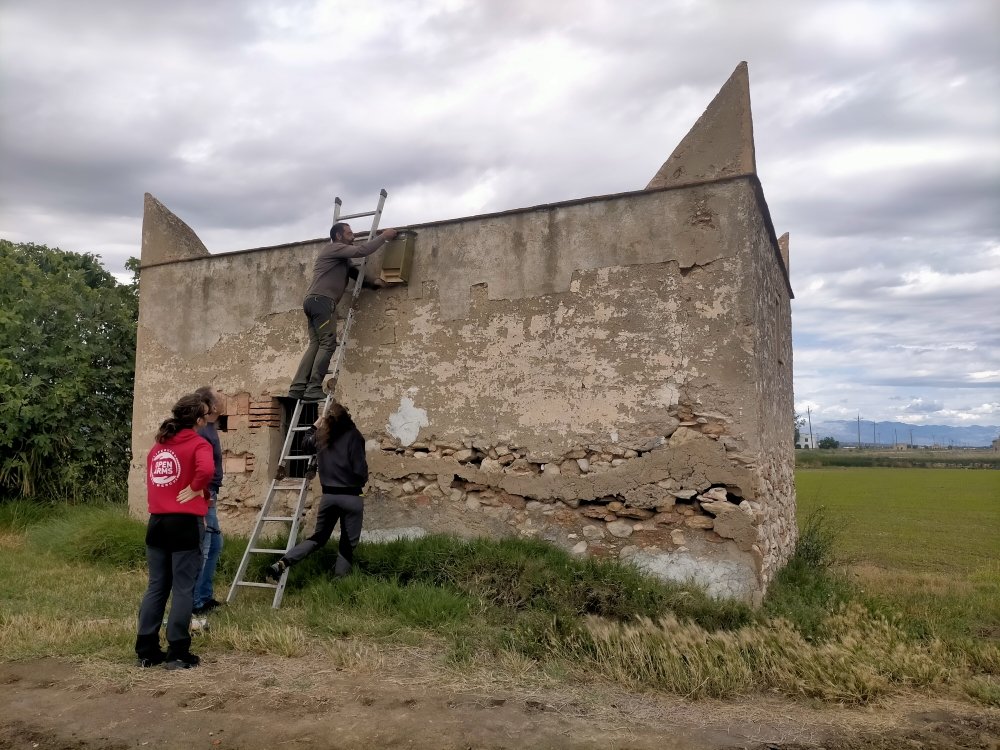
Involved stakeholders
Research institutions working in the area (Museu Granollers, IRTA)
National (SEO, SECEM, AEE) and local (Picampall) nature protection NGOs
Locations

Description:
Ebro Delta (northeast of Spain)
65% occupied by rice fields, mixed with protected wetlands
Video description of the case study area in the Ebro Delta.
Learn more about the case study