Biodiversity Protection in Viticulture: SYBERAC Meets in Portugal
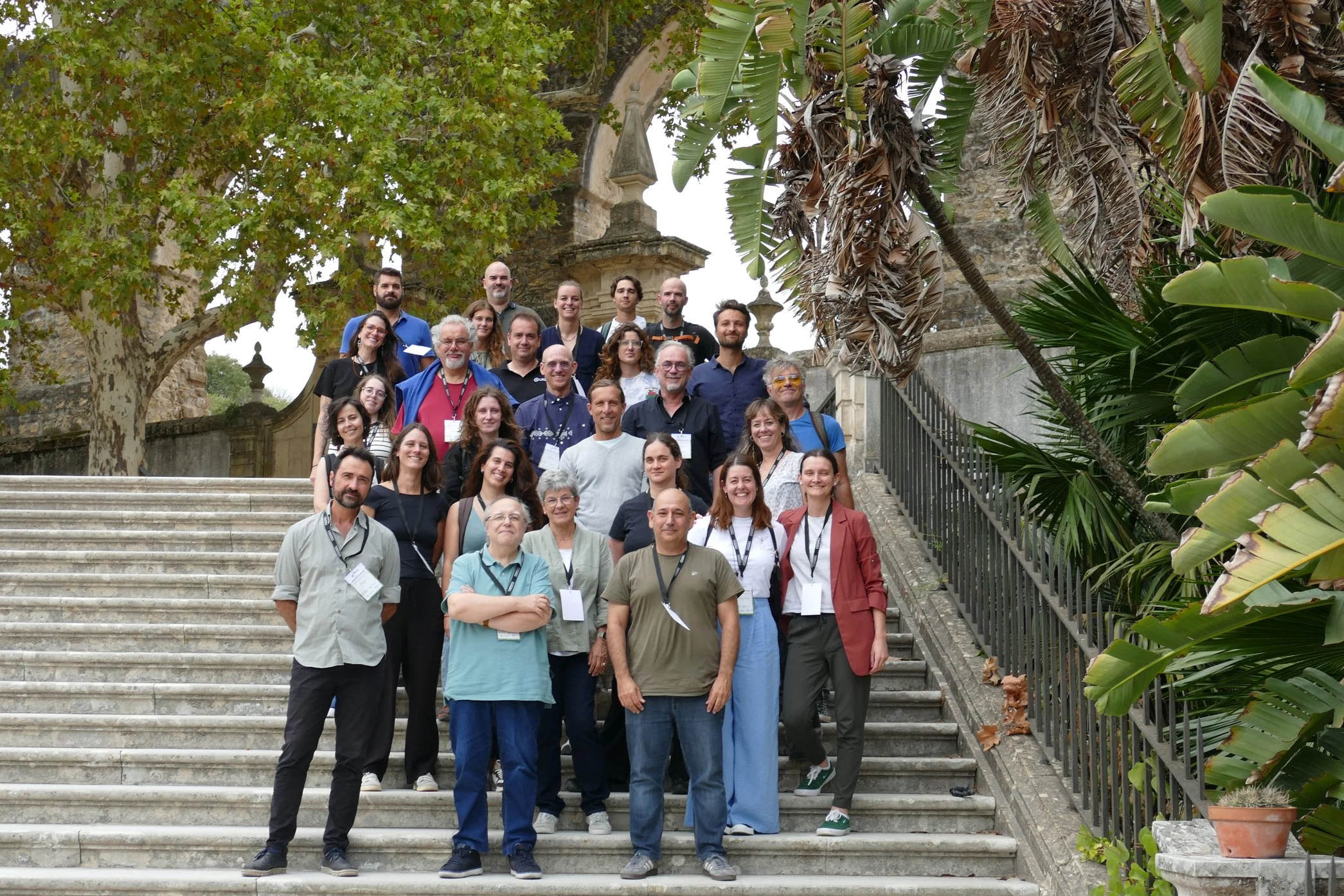
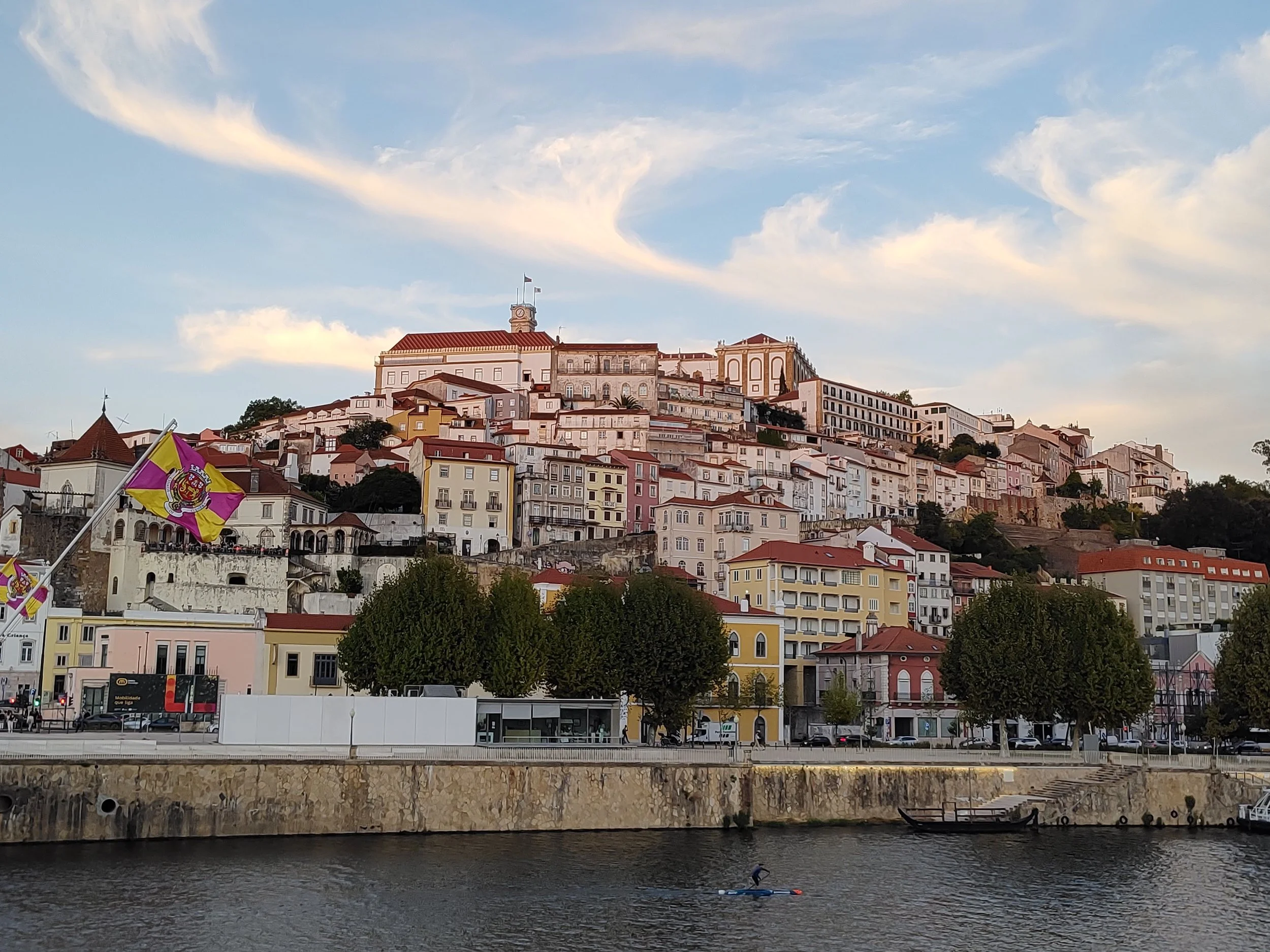
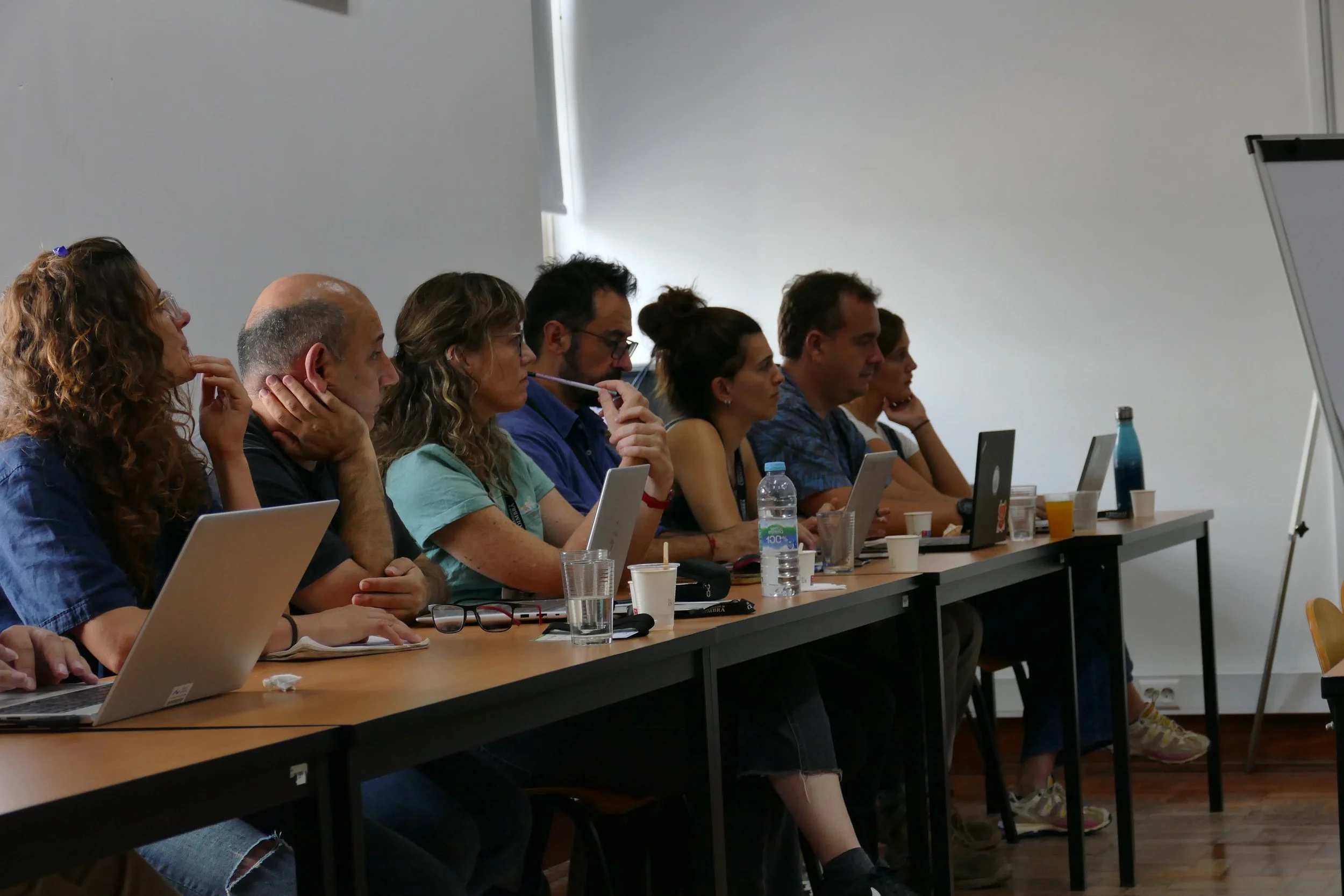
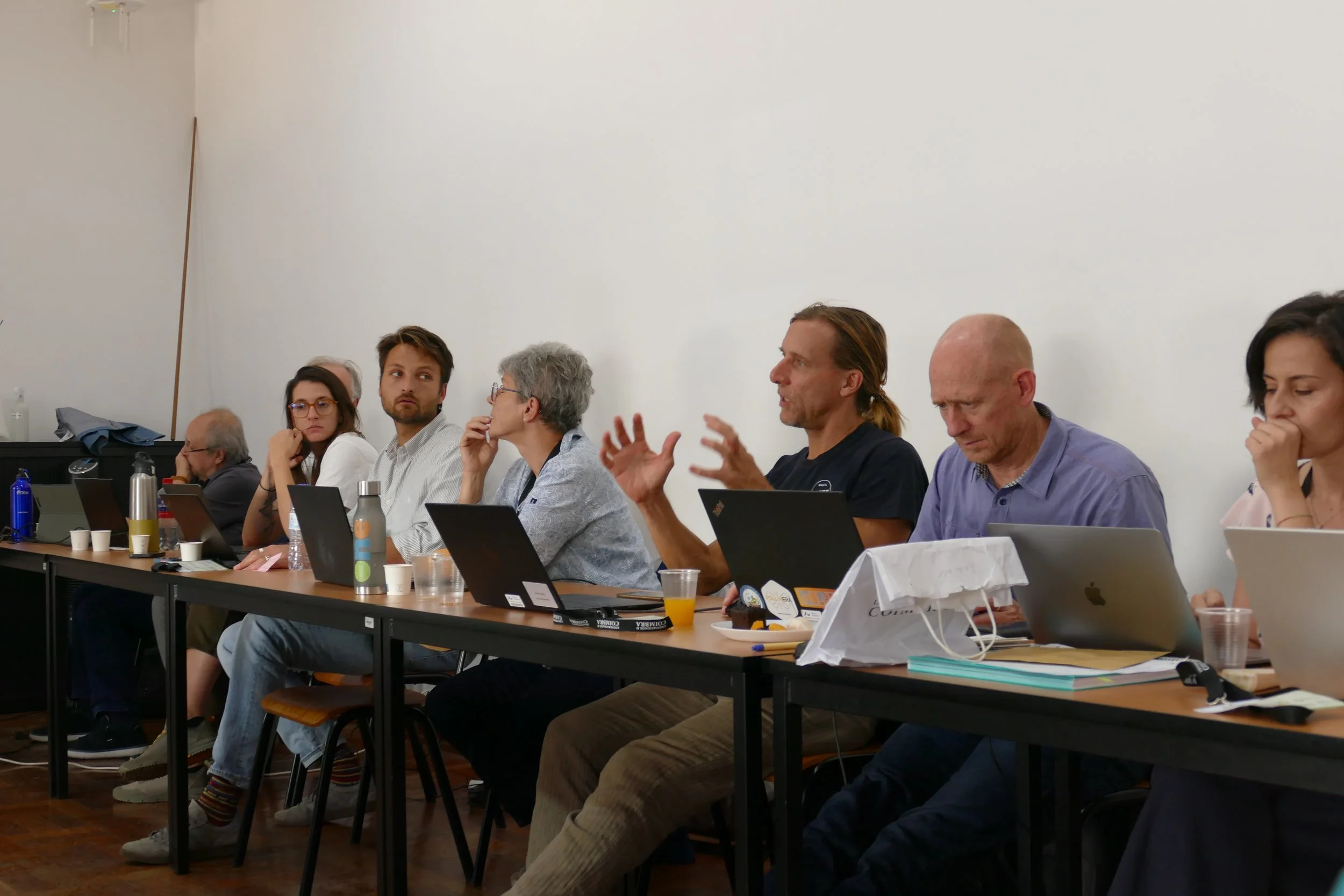
Our project team gathered at the University of Coimbra in Portugal for a consortium meeting at the end of September 2026.
Over two days, we discussed our plan for the final year of the project. A key topic was how to connect our case study findings to EU-level regulations. We also worked on developing a framework for holistic, systems-based environmental risk assessment (ERA).
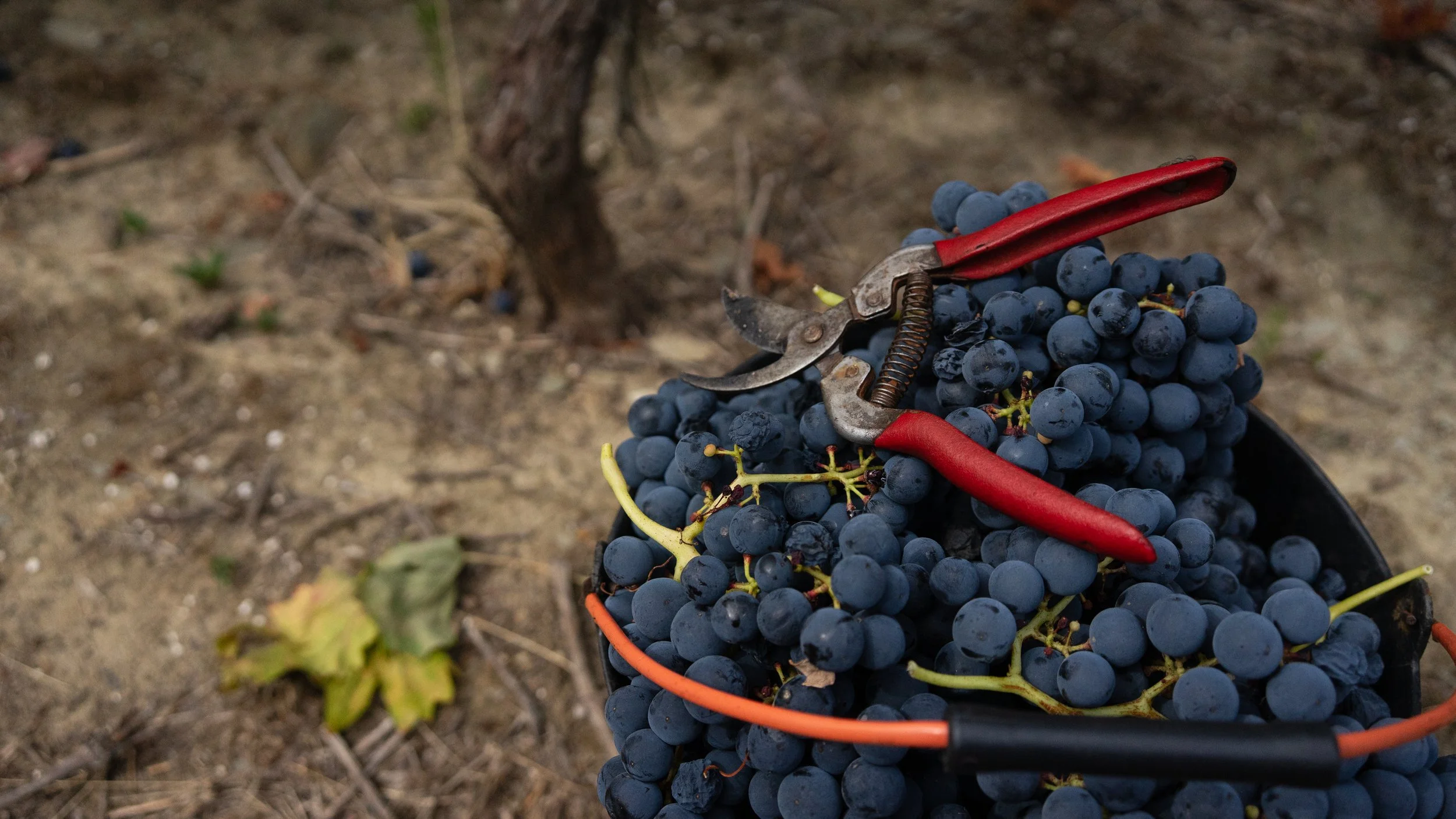
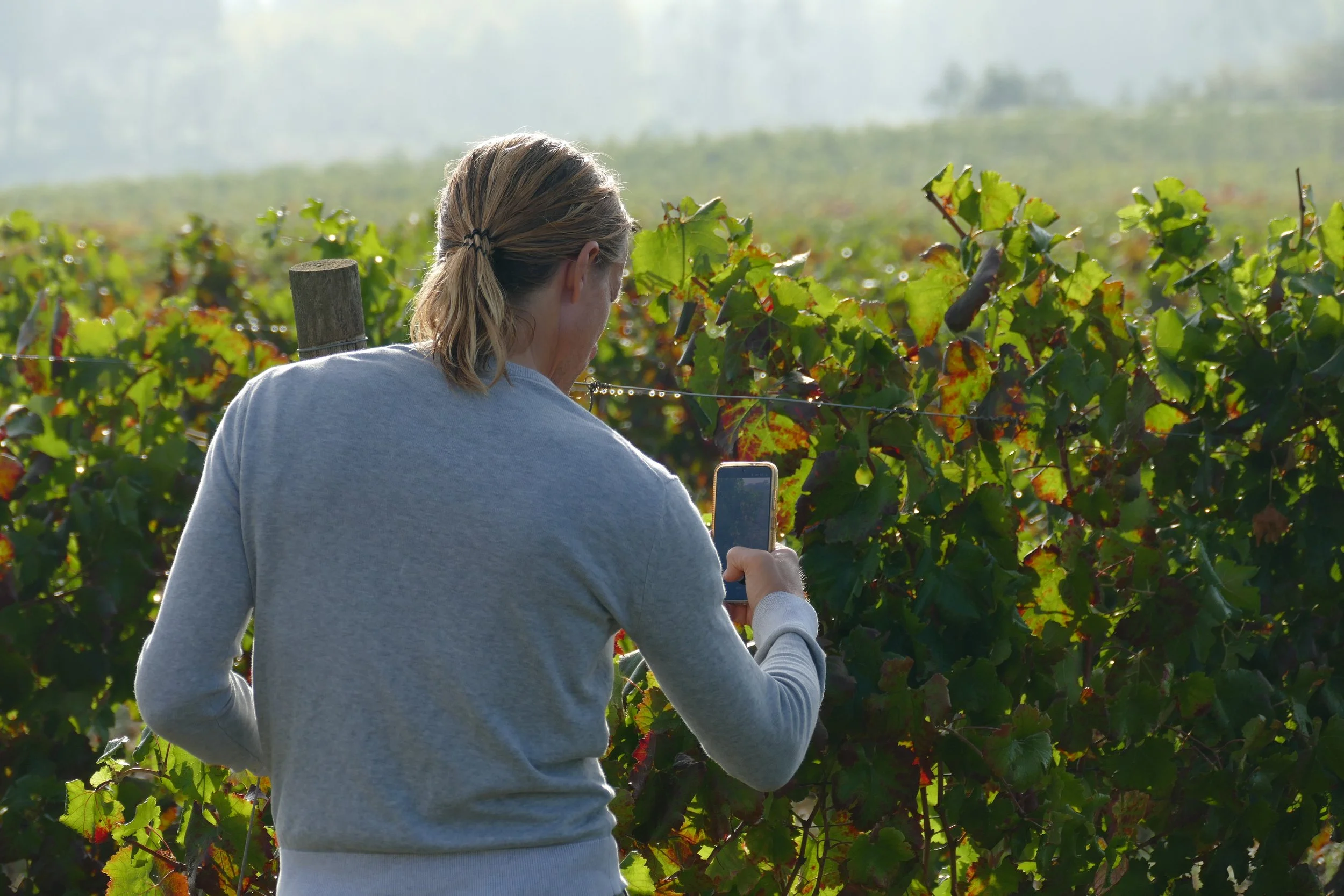
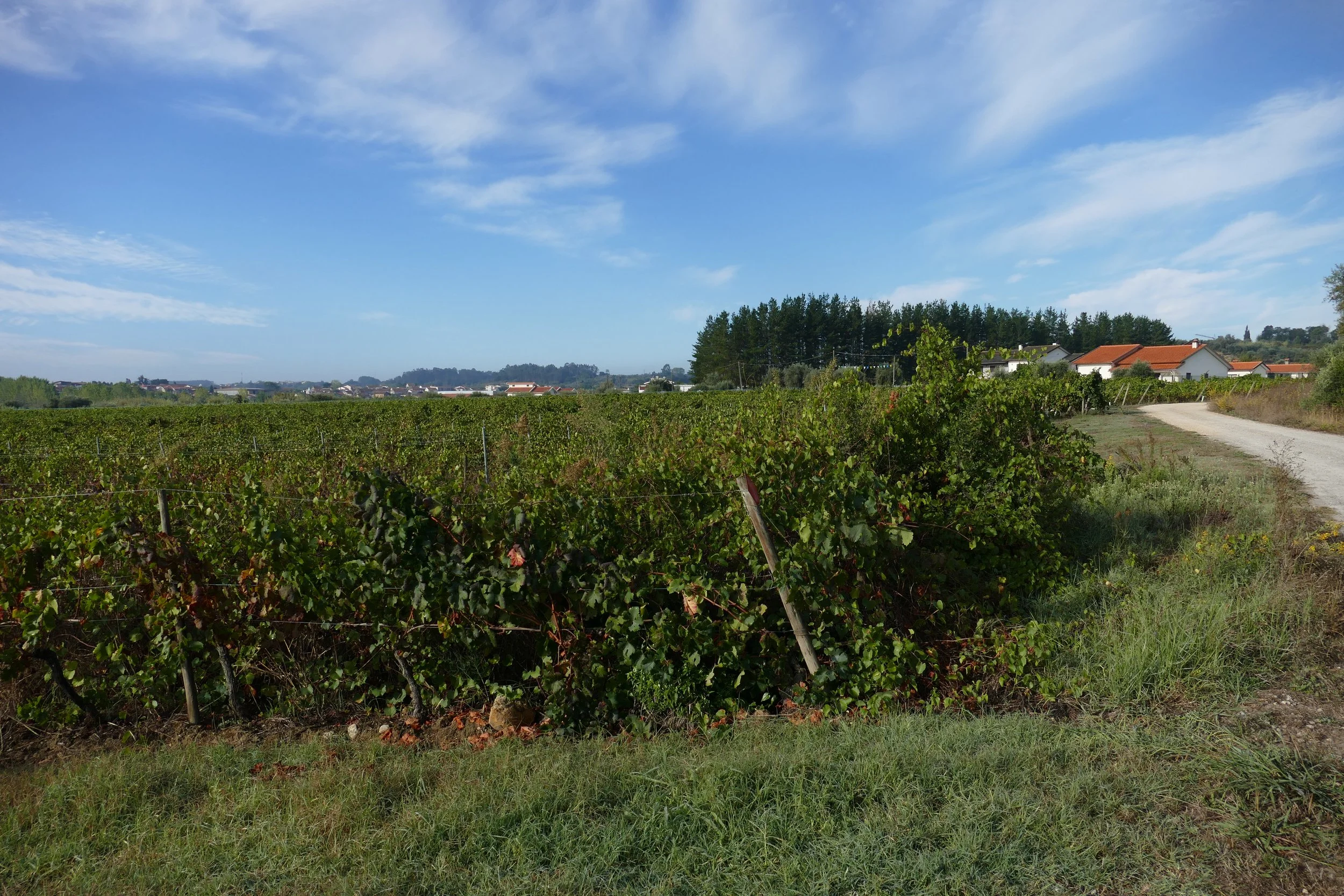
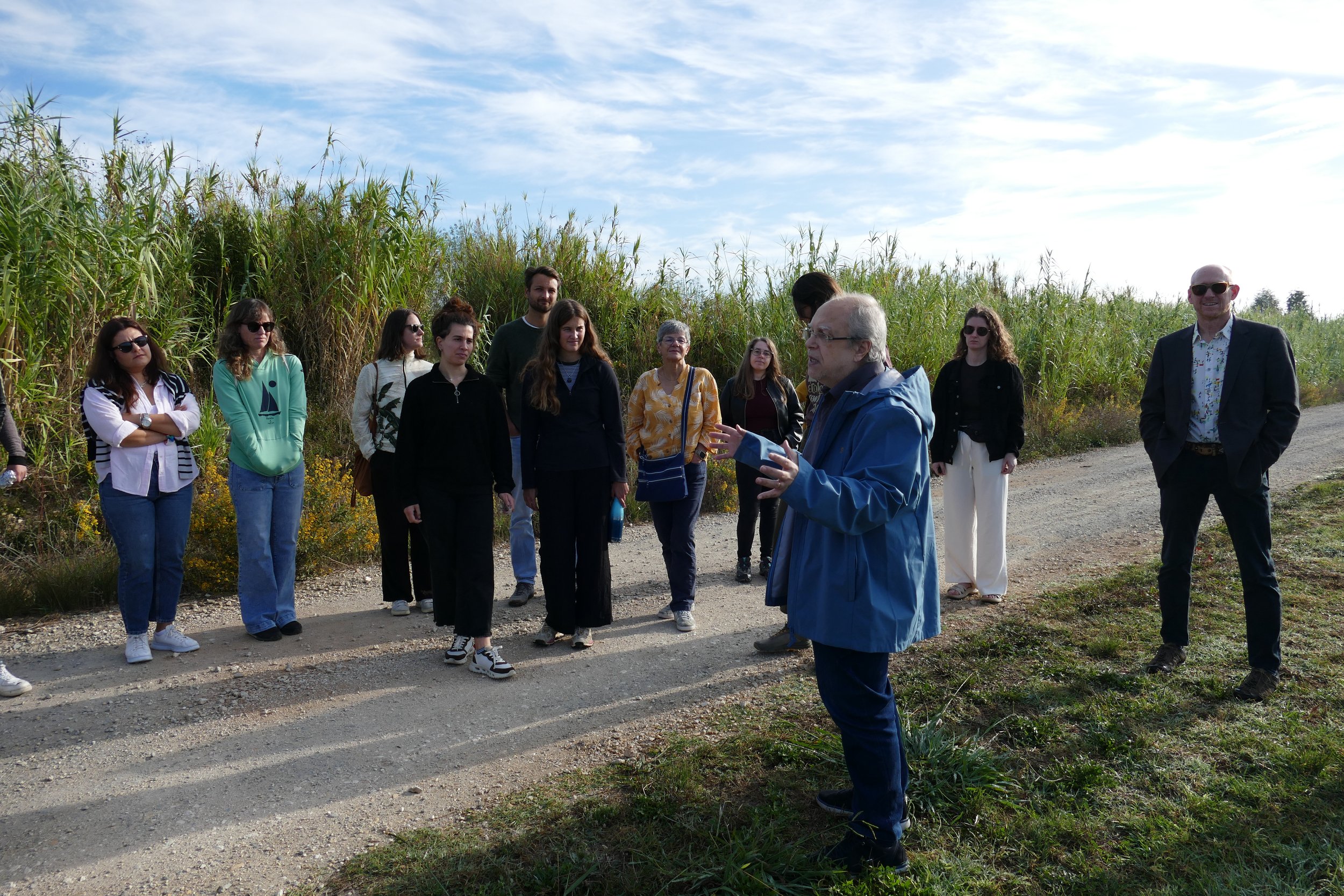
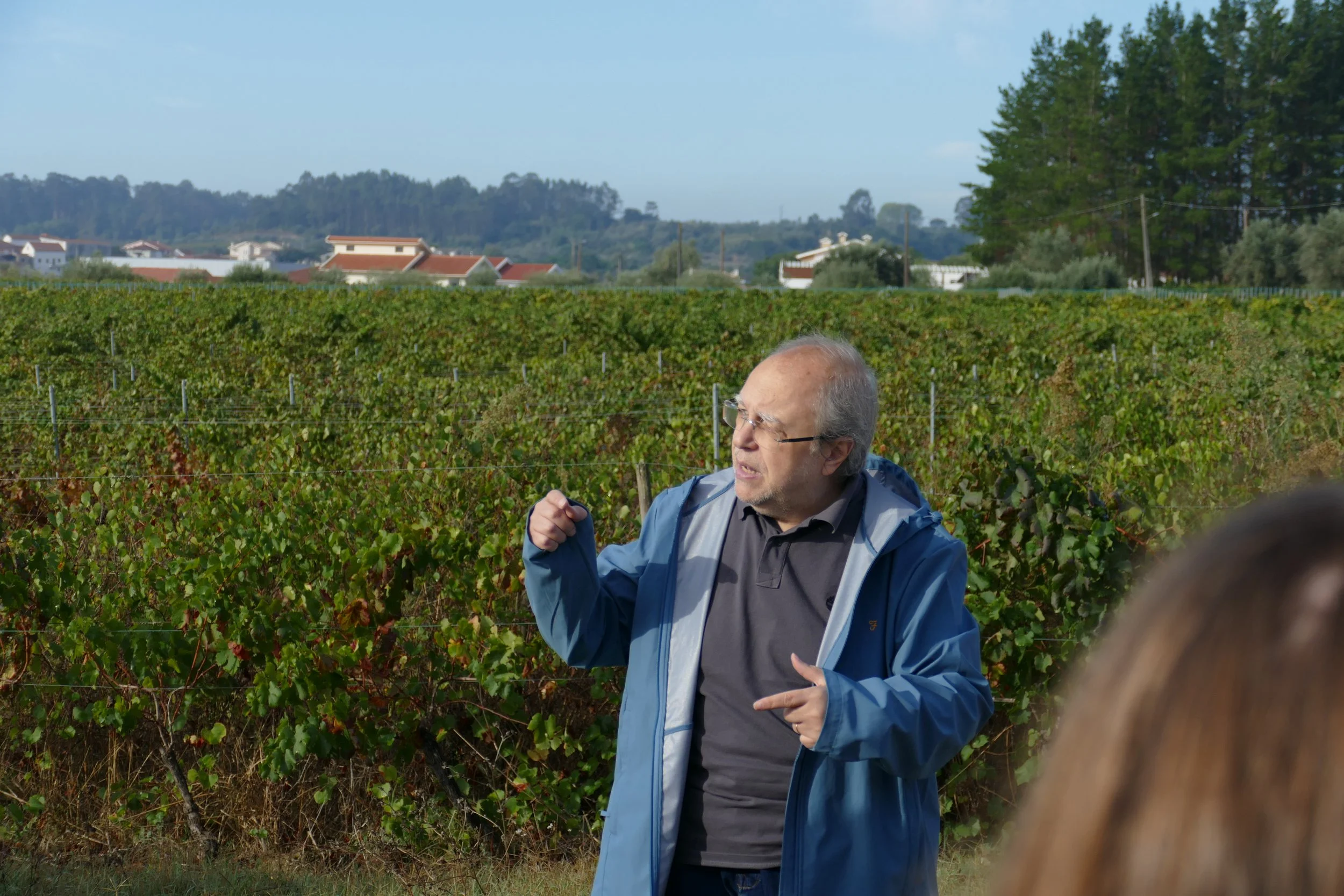
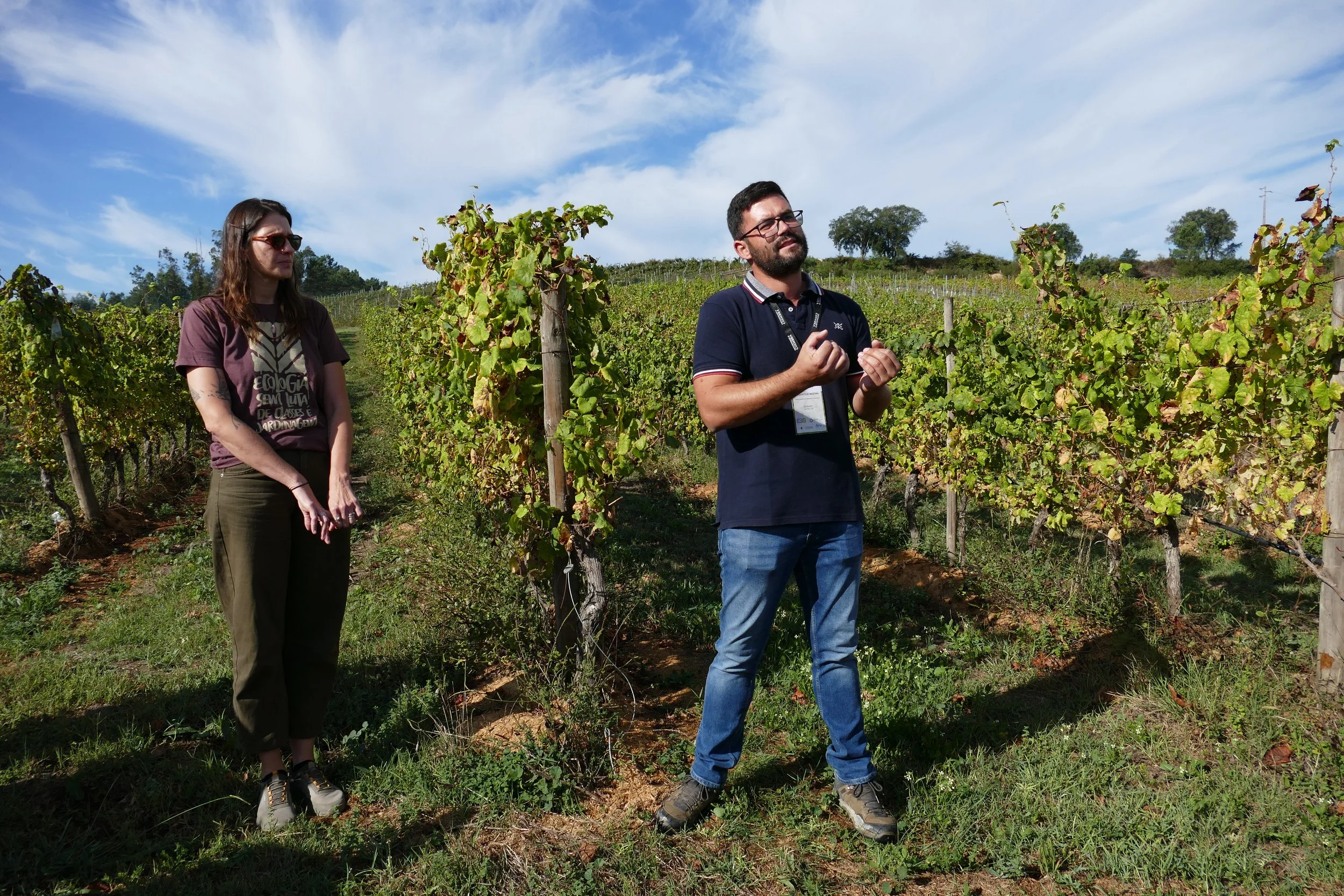
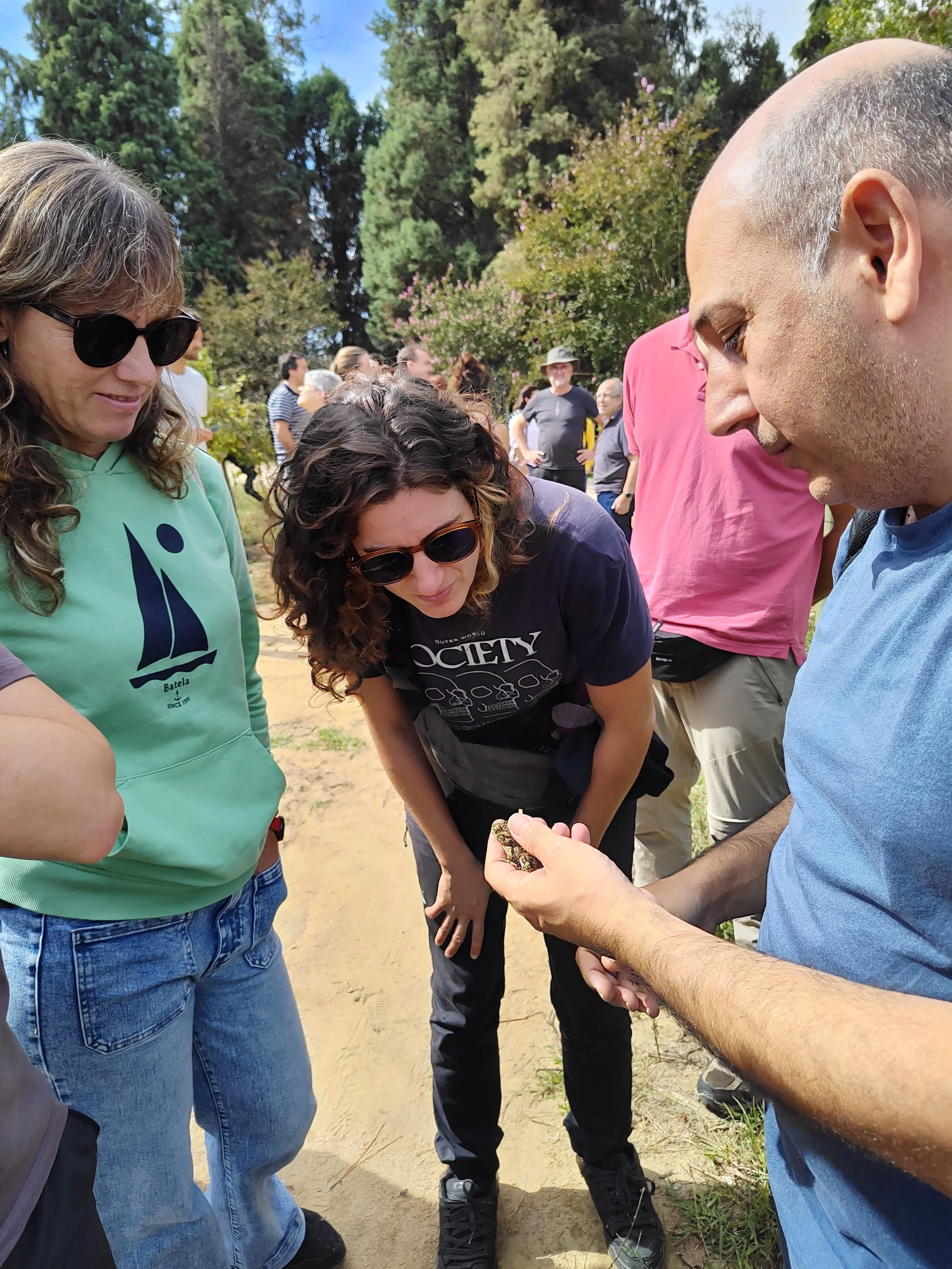
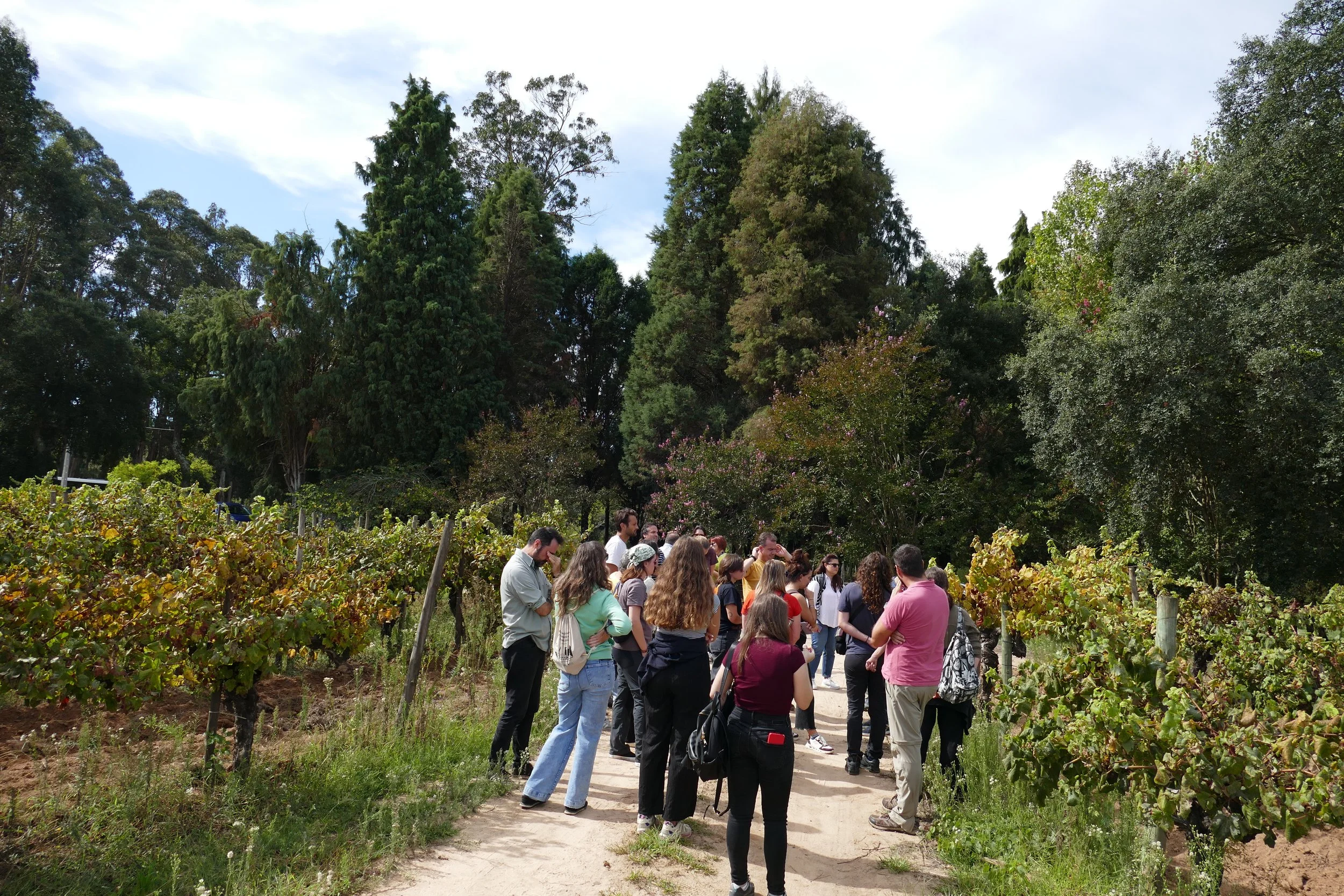
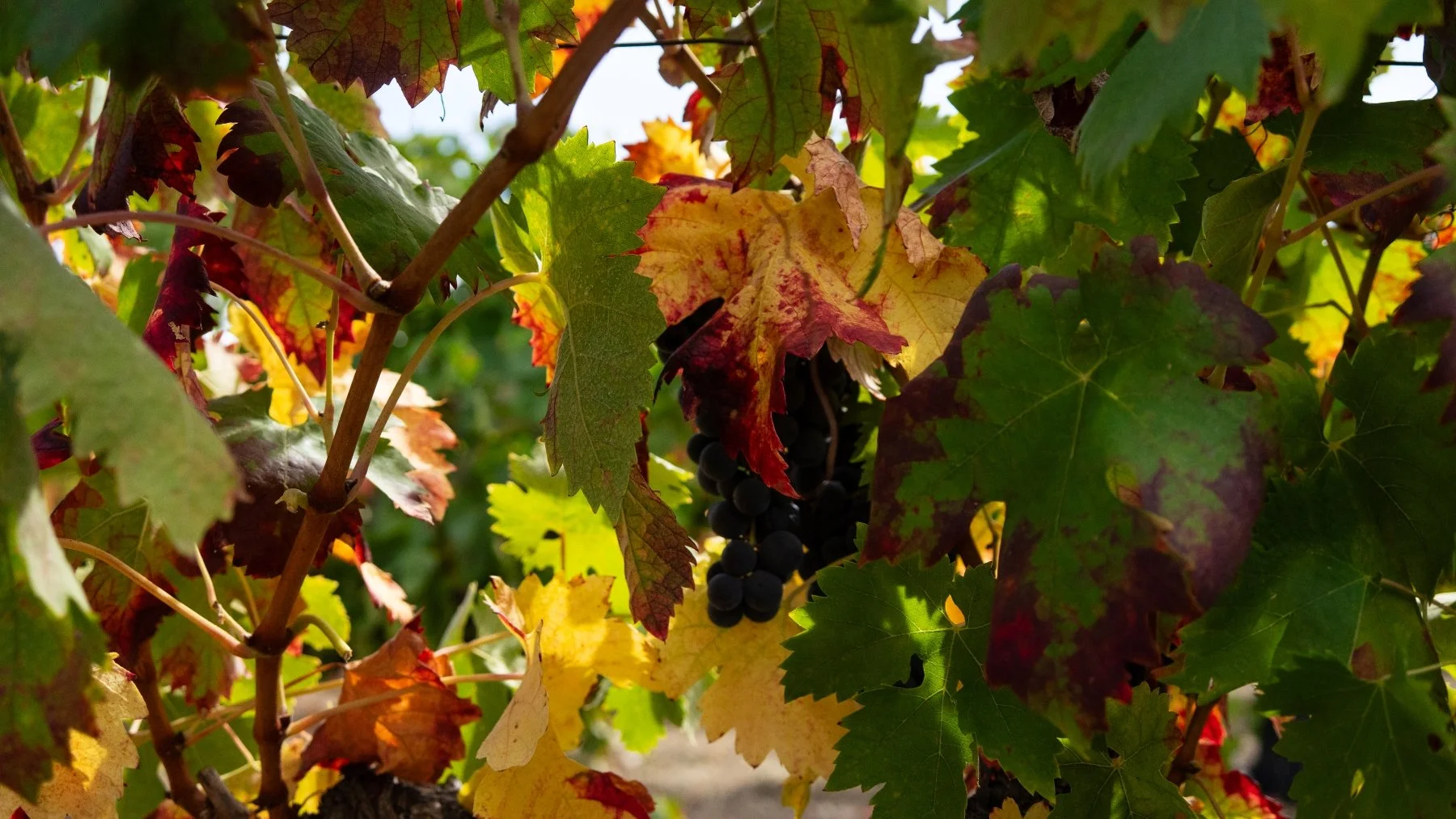
On the third day, we went on a field trip to the Bairrada wine region, where Case Study 5 (CS5) is based. We visited several vineyards, where Paulo Sousa and Paula Souto from the University of Coimbra, alongside local winemakers, guided us through the sites and explained local agricultural practices.
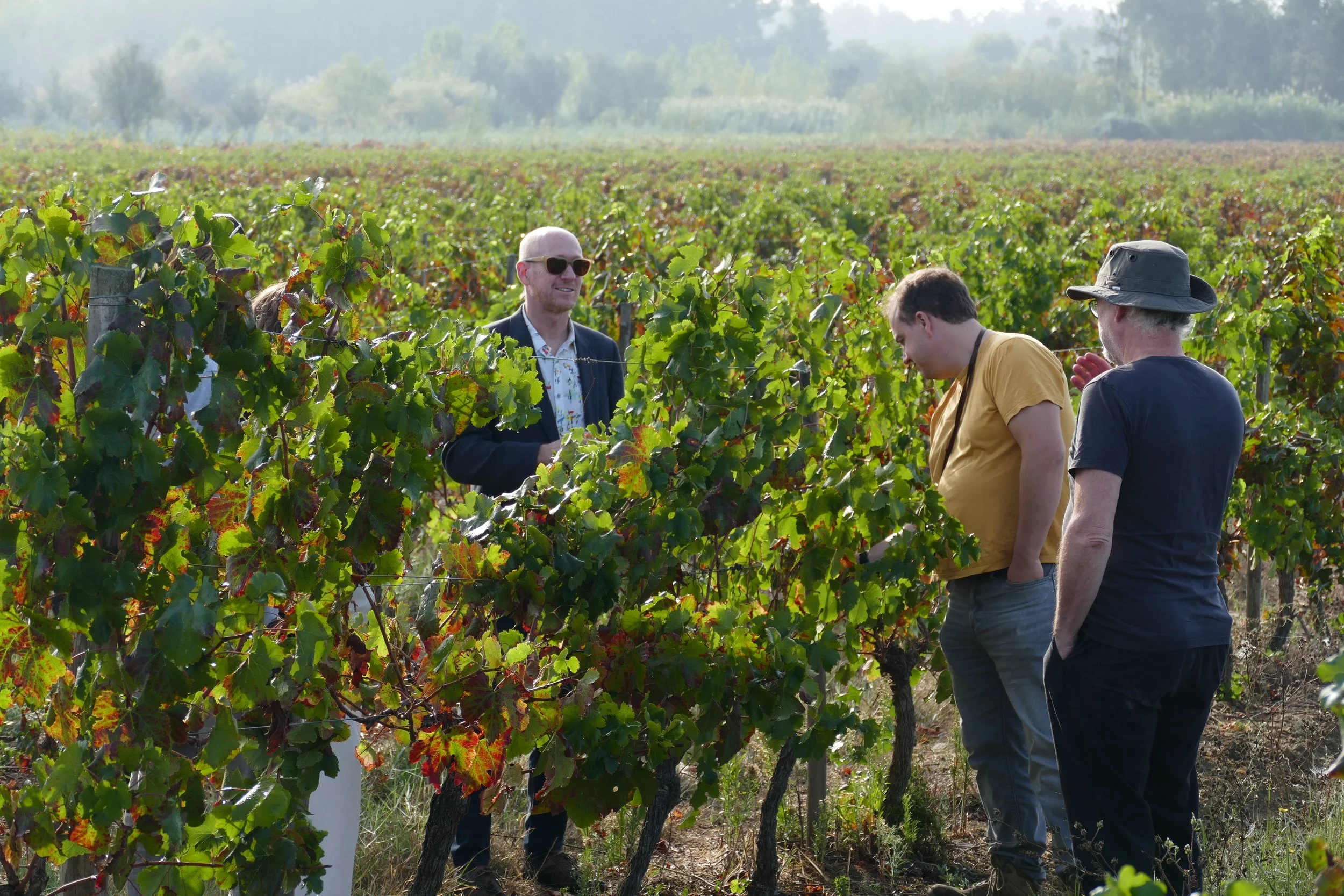
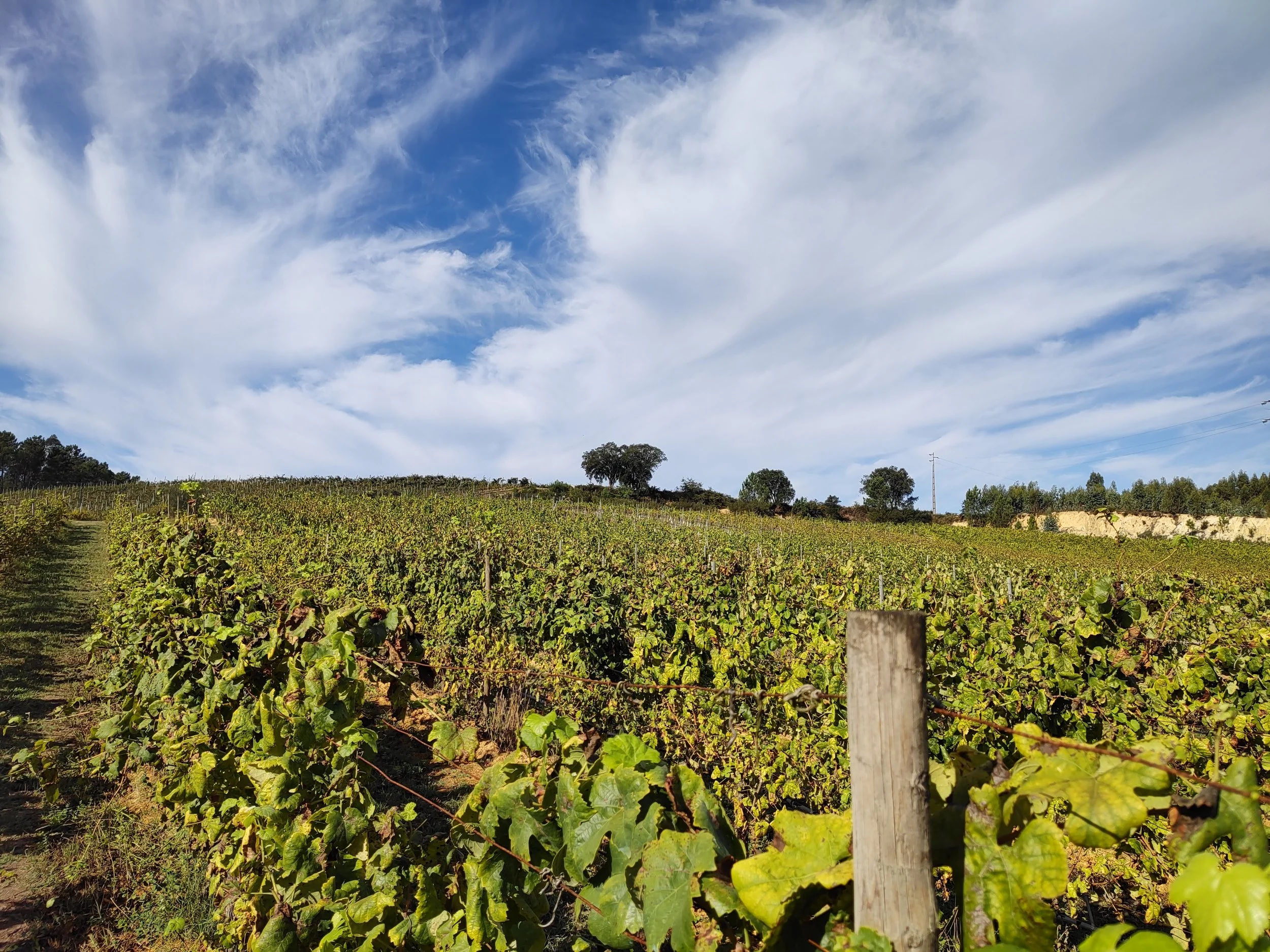
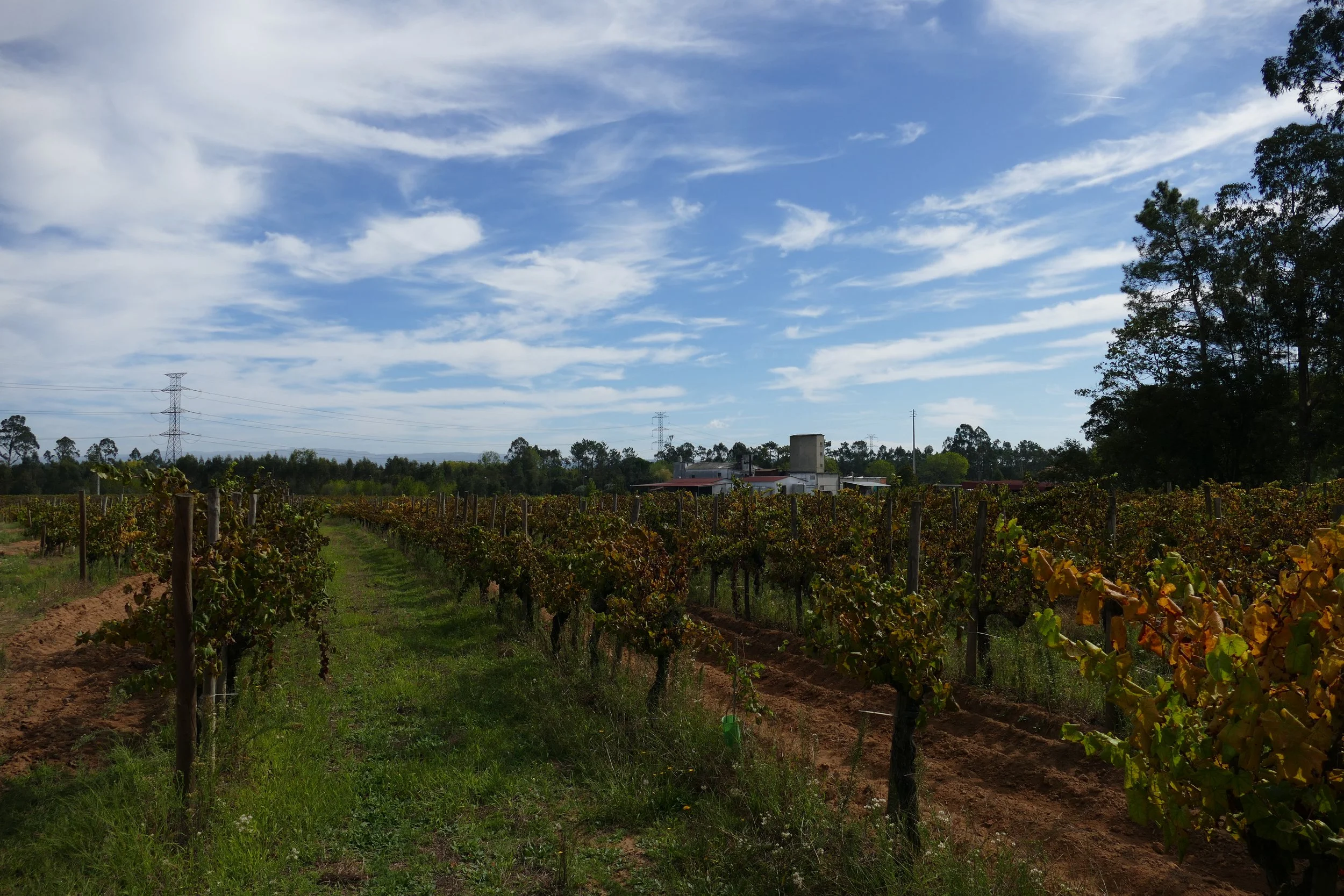
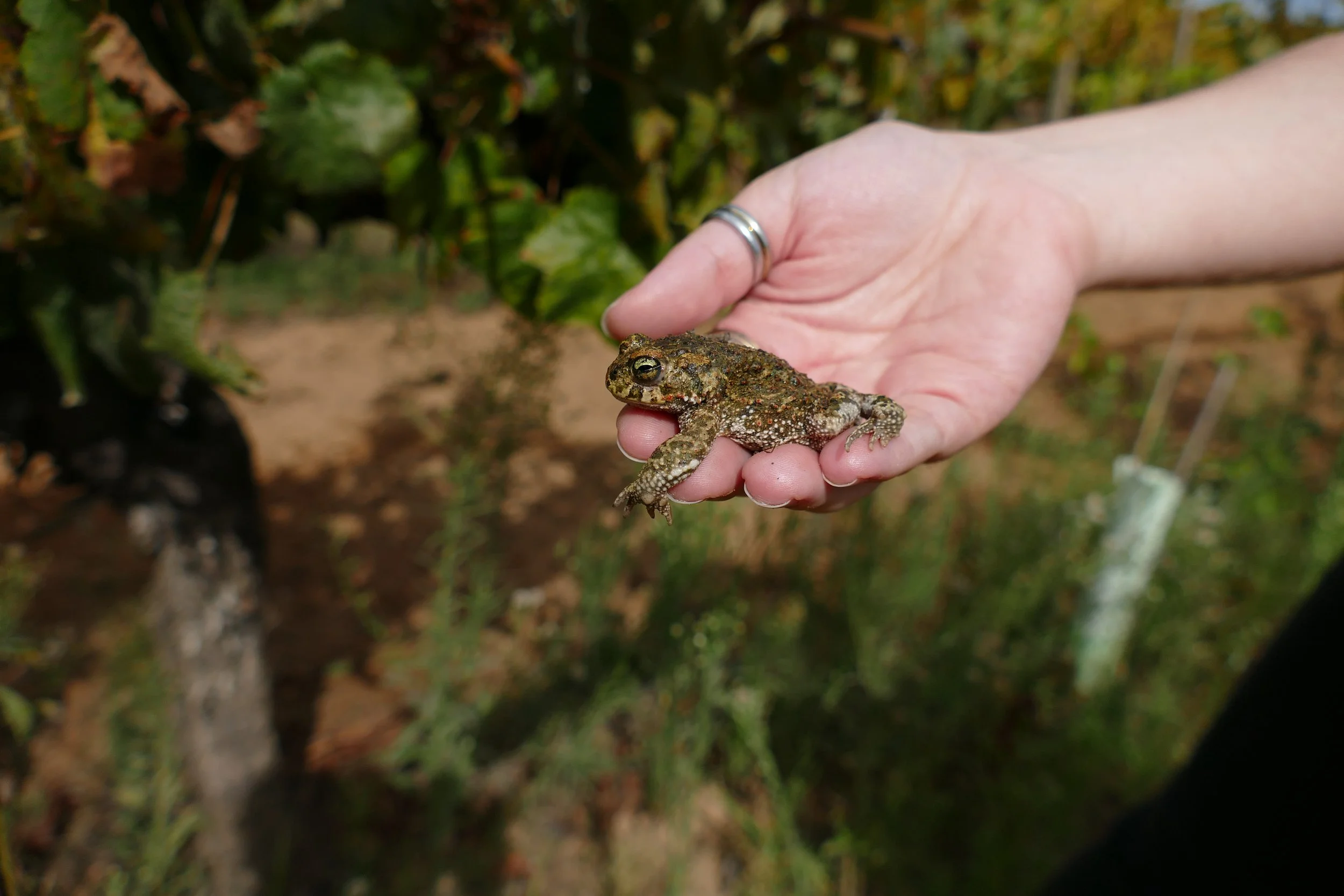
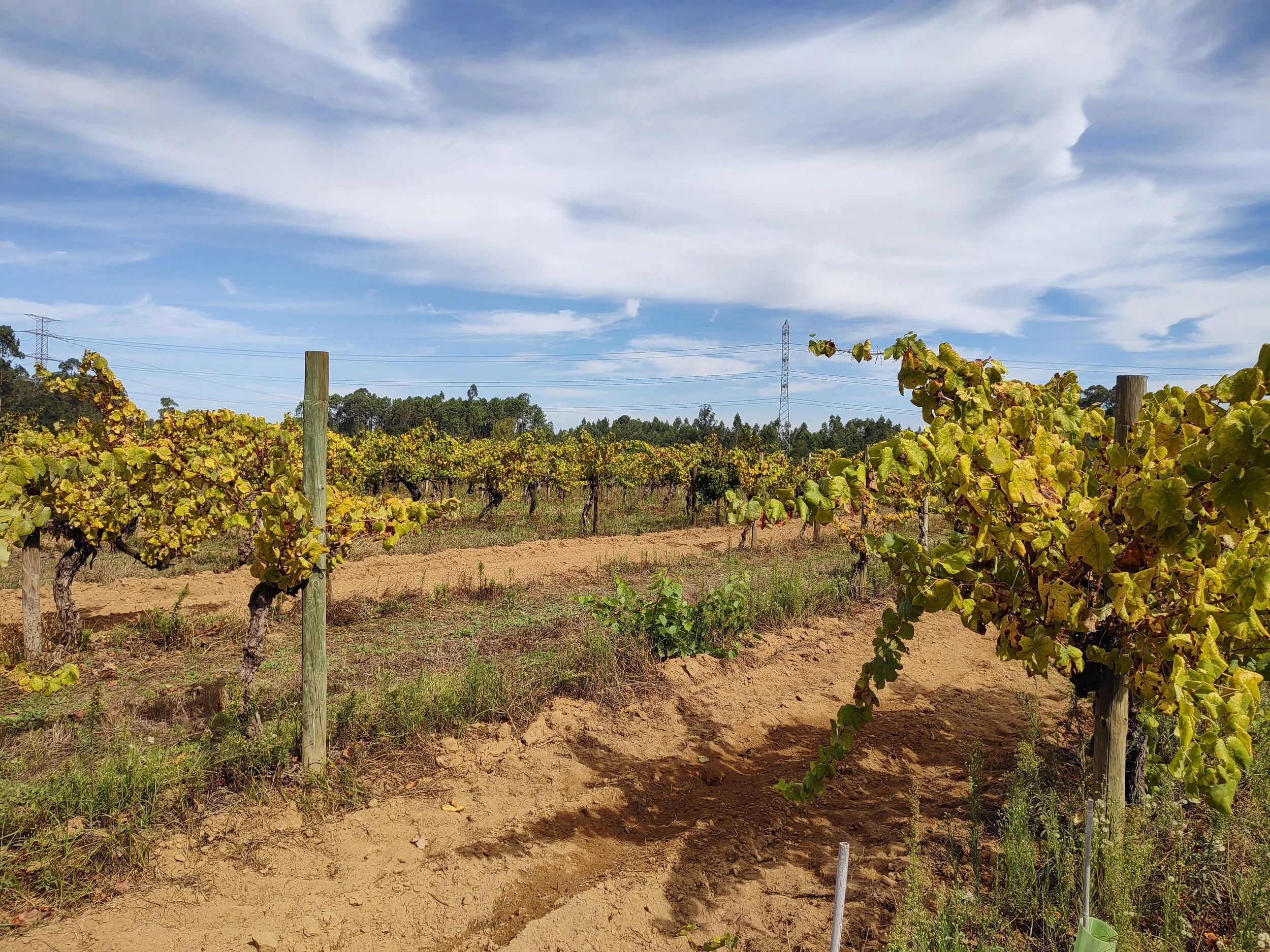
CS5 investigates how pesticides affect beneficial organisms, such as soil organisms and non-target arthropods (NTAs) like beetles, which are not the intended target of pesticide applications. Because landscape structure plays a key role, the team is evaluating 20 sites across a landscape complexity gradient—ranging from intensive vine monoculture to complex landscapes integrated with field margins and forests. The three sites we visited reflected this gradient to showcase different levels of landscape complexity.
The first site, cultivated by António Soares, represented low landscape complexity; the second, located on Luis Pato’s vineyard, had moderate complexity; and the third owned by Caves Aliança displayed the highest complexity.
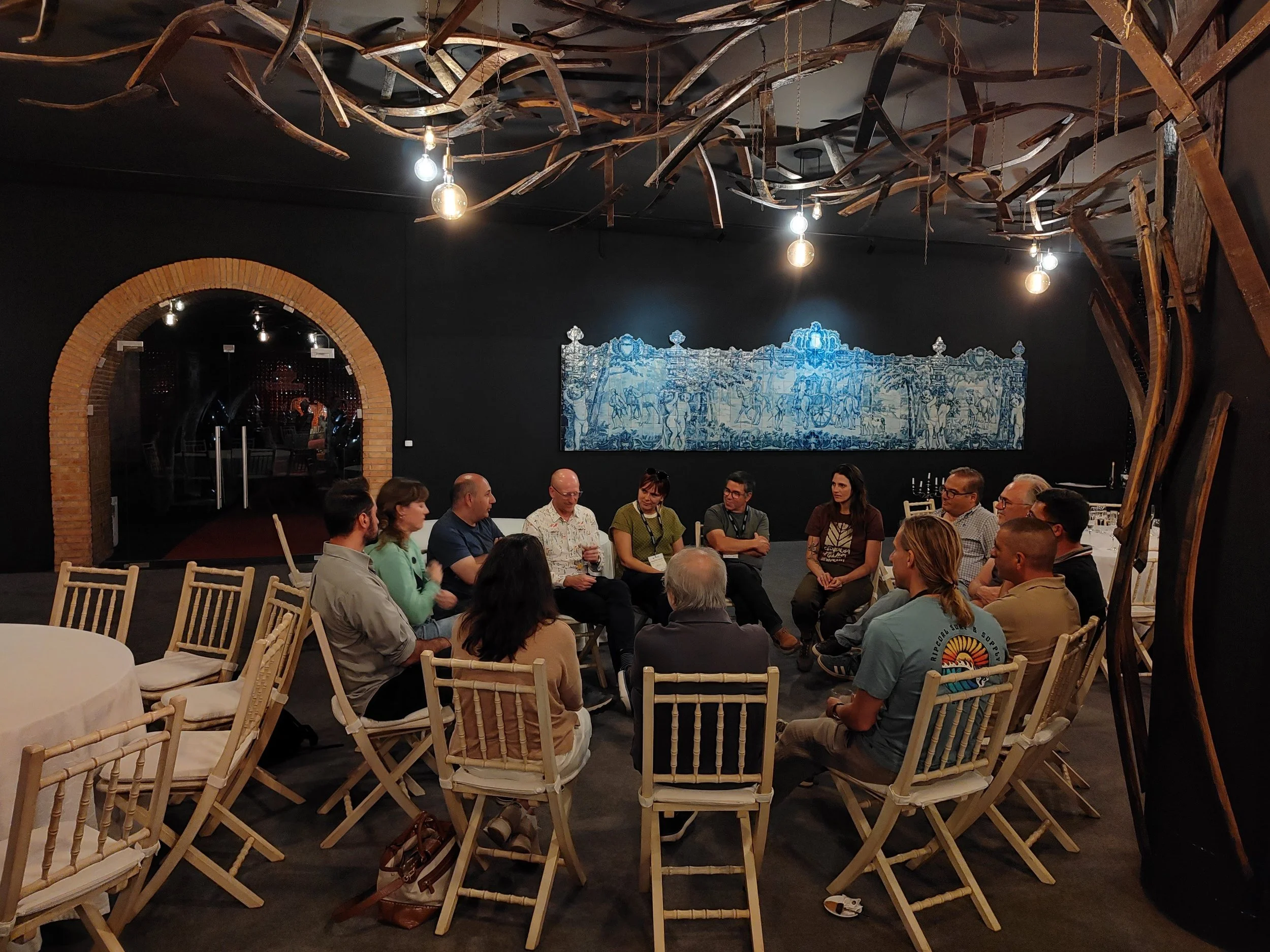
We concluded the day at the Bacalhôa winery, engaging with local stakeholders to discuss the opportunities and challenges of adjusting land management to better protect biodiversity. Finally, we visited the Aliança Underground Museum to see how art and winemaking intersect in local culture.
We sincerely thank the University of Coimbra and the local winemakers for hosting us and sharing their expertise with the SYBERAC team.
Text: Cathrin Cailliau | Photos: Cathrin Cailliau and Lena Moser