Ecosystem Sentinels: What Bats Tell Us About Pesticides in the Ebro Delta
Scientists from CSIC used bats to track the hidden impacts of rice farming on biodiversity, and points the way toward sustainable agricultural solutions.
The Ebro Delta is a wetland where intensive, flooded rice cultivation exists side-by-side with protected natural habitats. While agricultural practices in the Delta have become less toxic over the decades, the flooded nature of these crops creates a critical knowledge gap regarding how modern agrochemicals impact local birds and mammals. To address this problem, a research team from CSIC used bats as ecological indicators to track the hidden impact of rice farming on protected natural areas.
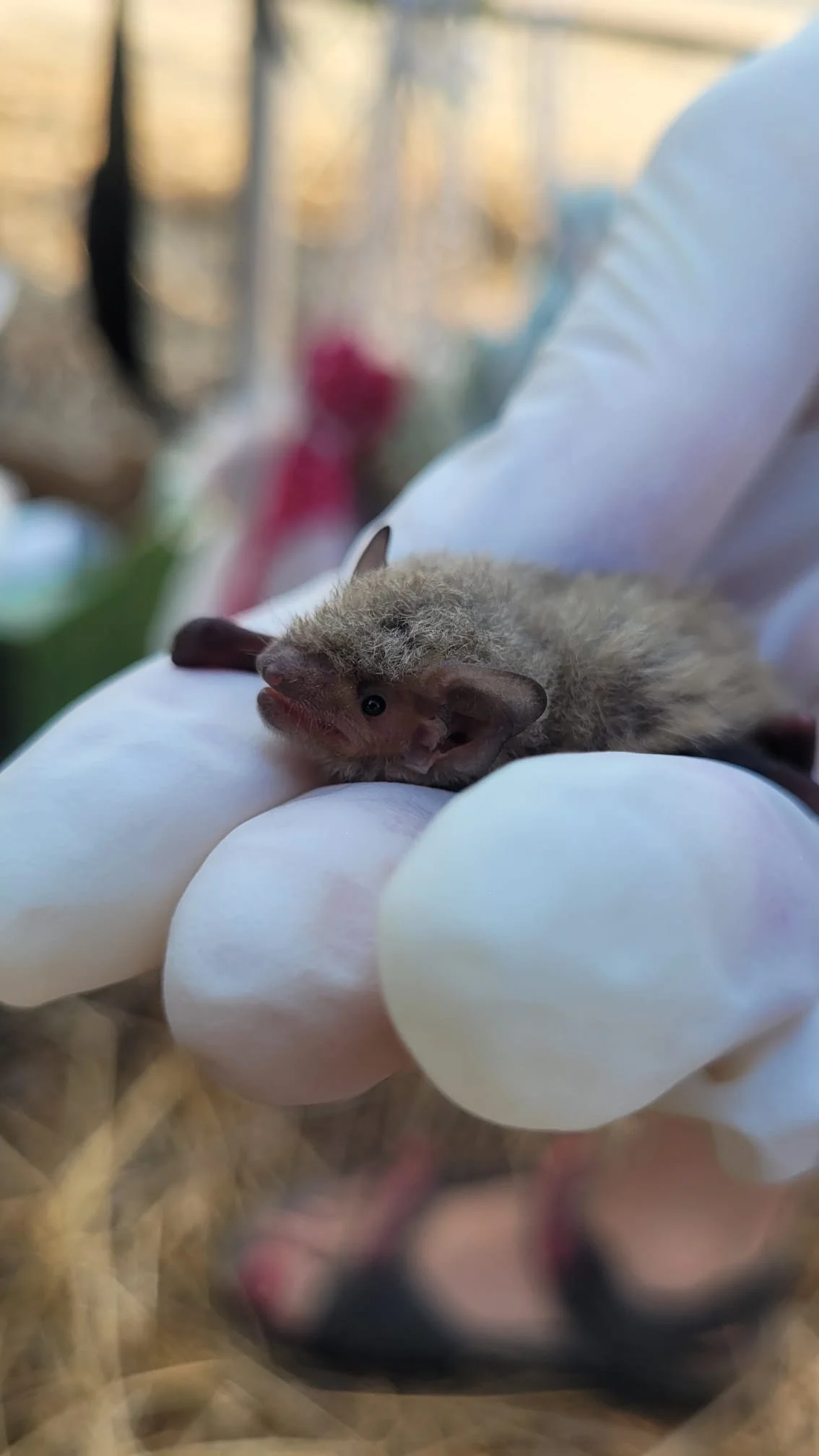
Why Bats?
Bats are insectivores positioned high in the food chain. They naturally accumulate the pollutants circulating through the food web. By studying bats, researchers can gain a comprehensive insight into the entire ecosystem, rather than just data on a single species.
Tracking Chemicals Through the Food Web
Throughout the rice cultivation season, the research team conducts rigorous field monitoring to track the flow of chemicals from application to absorption. The team has installed nest boxes across the Delta, allowing them to easily monitor breeding colonies.
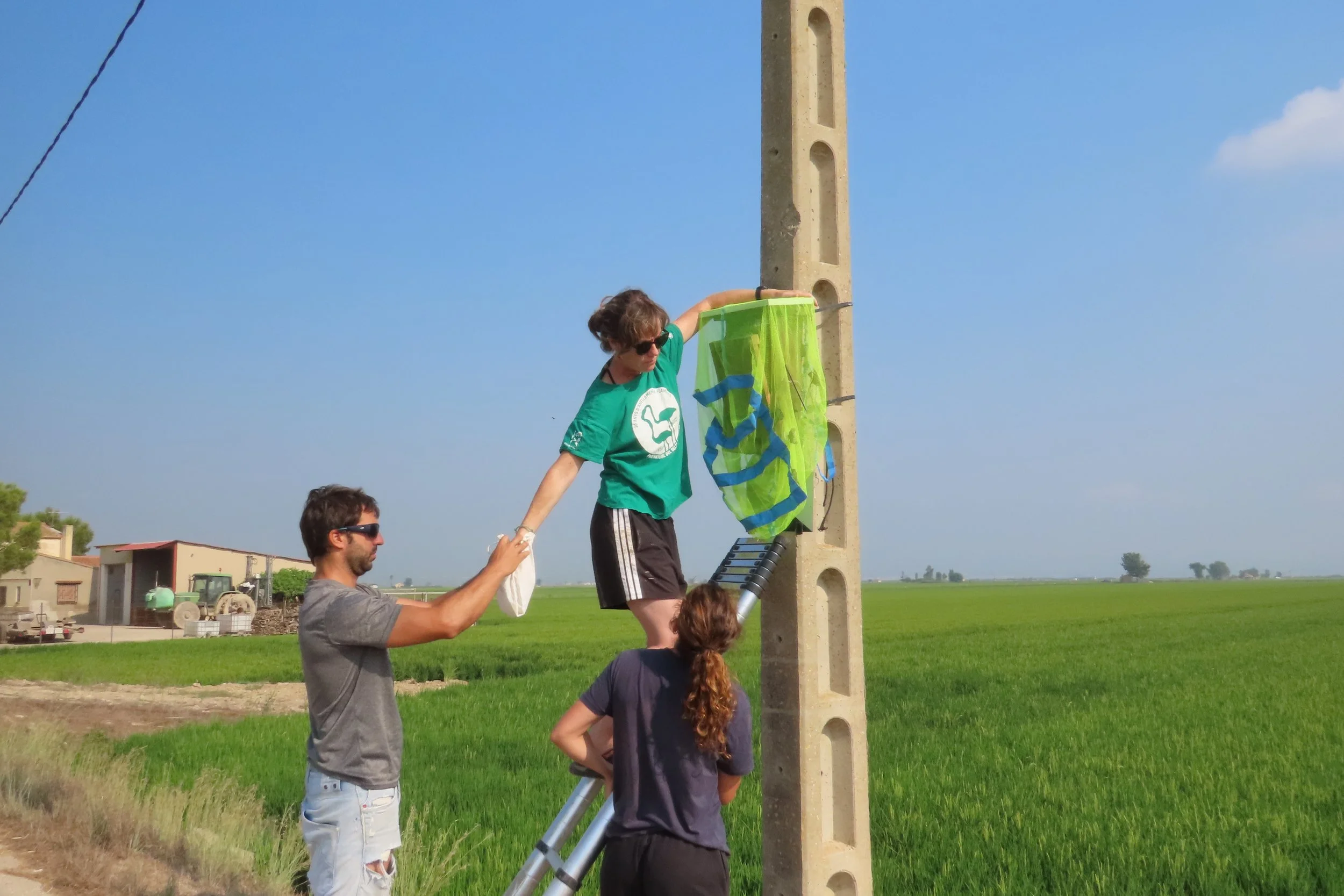
The Invisible Connection
The preliminary findings reveal that agricultural pollutants do not remain confined to the rice fields.
Researchers have detected higher pesticide levels in the guano of bats living near intensive farming zones. However, they also found these same pollutants (albeit in lower concentrations) in colonies inhabiting the Delta's natural protected areas. This confirms that the Delta's complex water network transports chemicals across ecological boundaries.
Data also indicates that bats residing in more natural, isolated areas present a significantly better body condition. While researchers note this could be a direct result of pesticide exposure, it may also stem from indirect factors, such as better habitat quality or higher food availability in protected zones.
The Path Forward: Intermediate Solutions
The ultimate goal of the SYBERAC project is to reconcile rice production with biodiversity conservation. The research highlights a highly effective, low-cost intervention: managing the margins between fields. Field margins left with spontaneous vegetation act as vital ecological refuges that support invertebrates and, consequently, bats. Conversely, margins treated with herbicides disrupt the local food chain.
The researchers conclude that farmers do not need to adopt a strictly ecological model, which currently yields lower productivity. Instead, the focus should be on "intermediate systems"—reducing chemical reliance, avoiding unnecessary preventive treatments, and implementing smarter margin management. This balanced approach protects the Ebro Delta's biodiversity while simultaneously reducing farmers' spending on phytosanitary products.
Watch the Researchers in Action!
Canal TE recently featured this ongoing research in a local news broadcast. Even if you do not speak Catalan, the video is highly worth watching to see the scientists' hands-on field work and to get a closer visual look at the complex environment of the Ebro Delta.